APPENDIX DEUTSCH MIT KARLA UND KAI VOLUME 2 - SONG TEXTS, FLASHCARD TEMPLATES, CULTURAL INFORMATION AND GRAMMATICAL FEATURES - Goethe-Institut
←
→
Transkription von Seiteninhalten
Wenn Ihr Browser die Seite nicht korrekt rendert, bitte, lesen Sie den Inhalt der Seite unten
APPENDIX
DEUTSCH
MIT KARLA UND KAI
VOLUME 2
SONG TEXTS, FLASHCARD TEMPLATES,
CULTURAL INFORMATION AND GRAMMATICAL
FEATURES

This material was produced with funding from the Goethe-Institut London.
Project Coordinator: Roma Franziska Schultz
Editors: Lea Deitermann, Vanessa Pilgerstorfer
Authors: Katja Neubauer, Roma Franziska Schultz, Emma Whittle
Contents

Part A:   Song Collection (p. 3 – 14)

Part B:   Schlüssellochbilder, Karla & Kai Cut-outs
          and Flashcards (p. 17 – 29)

Part C:   Worksheets (p. 32 – 45)

Part D:   Cultural tips, book recommendations (p. 46 – 48)

Part E:   Don’t be afraid of insects! (p. 49)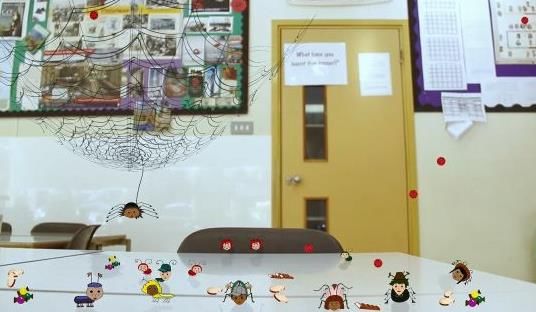
Part A: Song Collection

Introduction: Songs are motivating, relaxing and supportive of pupils’ learning of
grammar, so each song is written with a certain grammar or cultural topic in mind.

As grammar is repeated and extended throughout the teaching and learning of this
course, the Lesson Plans suggest looking back at songs that were part of previous
volumes. Four new songs have been included in this volume.

                                         Overview

      Chapter 1:           Title Song

                           Mein Tag war gut (Perfect Tense Song)

                           Darf ich? (Infinitive Song)

                           Wünsche-Rap (new)

      Chapter 2:           Darf ich? (Infinitive Song) (see Chapter 1)

                           Tick Tack (Uhrzeiten Song) (new)

      Chapter 3:           Imbiss-Lied

      Chapter 4:           Mauslied (extended version)

                           Hallo, Kinder, wie geht’s?

      Chapter 5:           Berufe-Lied (Song naming Jobs) (new)

      Chapter 6:           Wo ist die Polizei? (Song: Asking Questions)

                           Karla und Kai’s Berlin Song (new)

      Note: Audio recordings of the songs including instrumental versions can be found on
      the Goethe-Institut London website under: www.goethe.de/karlaundkai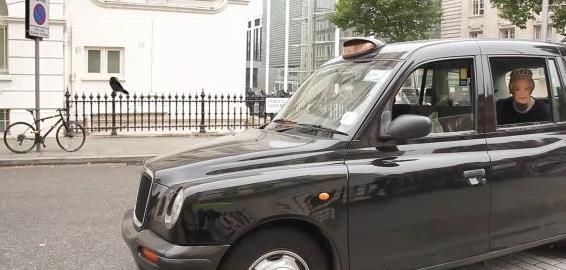
Chapter 1

Lyrics for the title song of the film series:

Deutsch mit Karla & Kai

Film ab, Film ab.* Eins, zwei, drei.            Action, action, one two, three.
Wir haben Spaß mit Karla und Kai.               We are having fun with Karla & Kai.
Kommt alle mit. Eins, zwei, drei.               Come with us, one two, three.
Hier ist noch frei bei Karla und Kai.           There’s a space next to Karla & Kai.

Karla und Kai, von Juni bis Mai,                Karla & Kai, from June to May
als VIP immer dabei.                            always with us as VIPs.

Ihre Welt ist bunt, gefährlich                  Their world is colourful, dangerous
und schön,                                      and beautiful,

Ihr werdet sie nun mit Käferaugen               You will see them with beetles’
sehn.                                           eyes now.

Film ab, Film ab. Eins, zwei, drei.             [repeat first verse]
Wir haben Spaß mit Karla und Kai.
Kommt alle mit. Eins, zwei, drei.
Hier ist noch frei bei Karla und Kai.

* When a camera team starts filming, the word “Action!” is used in English. In German
the equivalent is Film ab! (film go or start).
Mein Tag war gut (Perfect Tense Song)

Mein Tag, ja, mein Tag war gut.         My day, yes, my day was good
Ich habe, habe, habe                    I have, have, have
habe die Sonne gesehen,                 Have seen the sun
habe den Zoo besucht                    Have visited the zoo
habe die Tiger gefilmt                  Have filmed the tigers
habe das Eis gekauft                    Have bought an ice cream
Mein Tag, ja, mein Tag war gut          My day, yes, my day was good
und es hat auch nicht geregnet.         And it didn’t rain either.

Mein Tag, ja, mein Tag war gut.         My day, yes, my day was good
Ich habe, habe, habe                    I have, have, have
habe den Onkel besucht                  Have visited the uncle
habe die Pizza gegessen                 Have eaten pizza
habe Fernsehn geschaut                  Have watched TV
habe Computer gespielt                  Have played computer
Mein Tag, ja, mein Tag war gut          My day, yes, my day was good
und es hat auch nicht geregnet.         And it didn’t rain either.

Mein Tag, ja, mein Tag war gut.         My day, yes, my day was good
Ich habe, habe, habe                    I have, have, have
habe den Tag geplant                    Have planned the day
habe mein Buch gelesen                  Have read my book
habe Oma besucht                        Have visited grandma
habe Filme gesehen                      Have seen movies
Mein Tag, ja, mein Tag war gut.         My day, yes, my day was good
und es hat auch nicht geregnet.         And it didn’t rain either.
Darf ich? (Infinitive Song)

Darf ich                      May I
etwas essen?                  Eat something?
etwas trinken?                Drink something?
etwas singen?                 Sing something?
etwas sagen?                  Say something?

Aber ja! Aber ja!             But yes! But yes! (meaning: Sure!)
Aber ja! Aber ja!             But yes! But yes!
Aber ja! Aber ja!             But yes! But yes!
Sing die Lieder.              Sing the songs.
Sag: Hallo.                   Say: Hello.

Darf ich                      May I
etwas lesen?                  Read something
etwas kaufen?                 Buy something?
etwas kochen?                 Cook something?
etwas machen?                 Do something?

Aber ja! Aber ja!             But yes! But yes!
Aber ja! Aber ja!             But yes! But yes!
Aber ja! Aber ja!             But yes! But yes!
Koch uns Suppe.               Cook us soup.
Iss mit mir.                  Eat with me.
Wünsche-Rap

       Das ist, ja, das ist              That is, yes, that is
       mein Wunsch,                      my wish
       mein Wunsch                       my wish
       fürs neue Jahr.                   for the New Year.

       Ich möchte, ja, ich möchte        I’d like, yes, I’d like
       die Welt verbessern.              to make the world a better place.
       So wie alle,                      Like all those
       die das möchten                   who’d like to
       und nicht können.                 but can’t.

       Trotzdem.                         Nevertheless.
       Ich werde, ja, ich werde          I will, yes, I will
       das versuchen.                    try to.
       Ich werde es versuchen. Ja.       I will try to. Yes.

       Chapter 2

       Darf ich? (see p. 6)

       Tick Tack (Uhrzeiten-Lied)

Tick Tack tick tack - Wie spät ist es?   Tick tock, tick tock – what’s the time?
Sieben Uhr neun. Sieben Uhr neun.        Seven O nine. 7.09(am).
Viel zu tun. Es tut mir leid.            A lot to do. I’m sorry
Keine Zeit. Keine Zeit                   No time. No time
Tick Tack tick tack - Wie spät ist es?   Tick tock, tick tock – what’s the time?
Sieben Uhr neun. Sieben Uhr neun.        Seven O nine. Seven 0 nine.

Tick Tack tick tack - Wie spät ist es?   Tick tock, tick tock – what’s the time?
21 (einundzwanzig) Uhr. 21 Uhr.          Nine in the evening x2
Gut gemacht. Arbeit vollbracht.          Well done, work done
Gute Nacht. Gute Nacht                   Good night. Good night.
Tick Tack tick tack - Wie spät ist es?   Tick tock, tick tock – what’s the time?
21 (einundzwanzig) Uhr. 21 Uhr.          Nine in the evening x2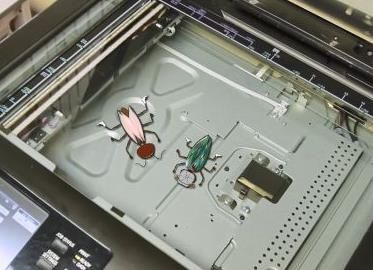
Chapter 3

          Imbiss-Lied

    Liebe Freunde, liebe Freunde,            Hello friends, dear friends
    Ich habe Hunger, habe Durst.             I am hungry, I am thirsty.
    Die Speisekarte, bitte, bitte.           The menu, please, please.
    Ich möchte Pommes, möchte Wurst.         I want (some) chips and sausages.

    Eine Bratwurst, einen Schaschlik,        Bratwurst, shish kebab,
    einen Salat, das ist gut!                a salad, that is good.
    Ja, mit Ketchup und mit Mayo             Yes, with ketchup and mayonnaise.
    und mit Pommes, Dankeschön.              And chips, thanks a lot.

    Ein Glas Tee, zwei Glas Limo,            One glass of tea, two glasses of lemonade,
    drei Glas Cola, das ist gut.             three glasses of Cola, that is good.
    Ein Stück Pizza, ein Stück Torte…        A piece of pizza, a piece of cake.
    Ja, mit Sahne. Dankeschön.               Yes, with cream, thanks a lot.

    Das war lecker. Das war super.           That was yummy. That was great.
    Das war wirklich wunderbar.              That was absolutely wonderful.
    Ich will die Rechnung. Ich muss gehen.   Can I have the bill, please. I have to go.
    Ich muss zahlen. Das ist klar.           I have to pay. No question about it.

    Zwanzig Euro. Das ist preiswert.         Twenty Euro. That is a bargain.
    Vielen Dank für den Besuch.              Many thanks for the visit.
    Komm bald wieder zu uns essen.           Come back soon to eat with us.
    Liebe Freunde, Wiedersehen!              Dear friends, see you soon.

8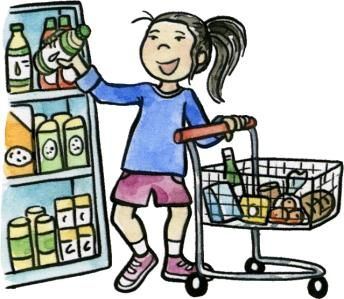
Chapter 4
    Mauslied – (extended version)

    Wo ist die Maus? Irgendwo im Haus.             Where is the mouse? Somewhere in the
    Sie ist generell uns viel zu schnell. Auf      house. In general, it is much too fast for us.
    meinem Schrank oder unter der Bank,            On my cupboard or under the bench?
    zwischen Bad und Flur, ja wo ist sie nur?      Between bathroom and hallway? Where is it?

                                                   Where is the mouse? Somewhere in the
    Wo ist die Maus? Irgendwo im Haus.             house. Up there on the (other) floor or in the
    Dort auf der Etage oder in der Garage?         garage? Up in the bathroom or behind the car
    Oben im Bad oder hinterm Autorad?              wheel? Here in my shoe, heaven, where are
    Hier in meinem Schuh, Himmel, wo bist du?      you?

    Wo ist die Maus? Irgendwo im Haus.             Where is the mouse? Somewhere in the
    Sie kann sich verstecken in allen Ecken.       house. It is good at hiding in all corners.
    Ist sie auf dem Stuhl? Dort beim               Is it on the chair? Over there near the
    Swimmingpool? Unten im Keller? Immer ist sie   swimming pool? In the basement? It is always
    schneller!                                     quicker!

    Wo ist die Maus? Irgendwo im Haus.             Where is the mouse? Somewhere in the
    Unter dem Balkon? Nein, da war ich schon.      house. Under the balcony? No, I have been
    Neben dem Klavier? Wo ist dieses Tier? Hier    there already. Next to the piano? Where is
    vor der Wanne oder hinter der Pfanne?          this animal? Here in front of the bathtub or
                                                   behind the pan?

    Wo ist die Maus? Irgendwo im Haus.             Where is the mouse? Somewhere in the
    Über meinem Bett oder auf dem Fensterbrett?    house. Over my bed or on the windowsill?
    Sie kann sich verstecken in allen Ecken.       It is good at hiding in all corners. Where is it?
    Wo ist sie nur, im Keller oder Flur?           In the basement or in the hallway?

9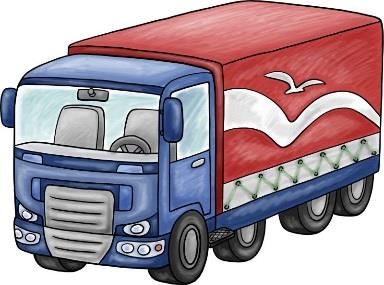
Chapter 5

     Wie geht’s?                                            How are you?

     Hallo Felix, wie geht’s?                               Hello Felix, how are you?
     Hallo Felix, wie geht’s?                               Hello Felix, how are you?
     Ja wunderbar, ja wunderbar.                            Yes, great, yes, great.
     Es geht mir wunderbar.                                 I am very well.

     (now insert names from children in the class)

     Hallo Lina, wie geht’s?                                Hello Lina, how are you?
     Hallo Lina, wie geht’s?                                Hello Lina, how are you?
     Danke gut, Danke gut.                                  Thanks, I am fine. Thanks, I am fine.
     Danke, es geht mir gut.                                Thank you, I am very well.

     Berufe-Lied – Ein Spiel mit Musik (for two groups)

     Gr. A)        Hokus, pokus, fidibus, dreimal schwarzer Kater.
                   Wer hat den Beruf, ratet! Mutter oder Vater?

     Gr. B)        und wie geht der? Hm?
                   ….und wie heißt der? Hm?

     Gr. A)        Der Beruf heißt (Krankenpfleger) und geht so:
                   So-So-So-So-So-So-So (make gestures)
                   So-So-So-So-So-So-So (make gestures)

     Gr. B)        Das ist deine Mutter, 1,2,3 und 4.
                   Ist das richtig, ja, ja, ja? Und jetzt fragen wir.

                   Spell: Hokus, pokus, fidibus, three times black cat.
                   Who has got this job, guess, mother or father.

                   And how does it work?
                   And what is the job called?

                   The job is called nurse and it works like that:
                   Like that, like that, like that (make gestures)
                   Like that, like that, like that (make gestures)

                   It is your mother, 1,2,3 and 4.
                   Correct? Yes, yes, yes? And now it is our turn (we will be asking).

10
Chapter 6
Wo ist die Polizei? (Song: Asking
Questions)
Mein Fahrrad ist weg – weg, weg, weg. My bike is gone – gone, gone, gone.
Oh wei! Oh wei! Wo ist die Polizei? Oh jeez! Oh jeez! Where is the police!
Was kann ich nur tun, wer hilft mir denn nun? What on earth can I do, who will help me
Oh wei! Oh wei! Wo ist die Polizei? now? Oh jeez! Oh jeez! Where is the police?
o Was ist dein Problem? o What is your problem?
o Warum bist du hier? o Why are you here?
o Wann ist das passiert? o When did this happen?
o Nachmittags um vier? o In the afternoon at 4?
Mein Rucksack ist weg – weg, weg, weg. My backpack is gone – gone, gone, gone. Oh
Oh je! Oh je! Mit meinem Portmonee. dear! Oh dear! With my wallet.
Was kann ich nur tun, wer hilft mir denn nun? What only can I do, who will help me now? Oh
Oh je! Oh je! Mein Portmonee. dear! Oh dear! With my wallet.
o Wo ist das passiert? o Where did this happen?
o Plastik oder Leder? o Plastic or leather?
o Welche Farbe hat das Stück? o Which colour is the piece?
o Du brauchst es zurück. o You need it back.
Mein Auto ist weg – weg, weg, weg. My car is gone – gone, gone, gone.
Oh nein! Oh nein! Mit meinem Führerschein. Oh no! Oh no! With my driver’s license.
Was kann ich nur tun, wer hilft mir denn nun? What on earth can I do, who will help me
Oh nein! Oh nein! Mein Führerschein. now? Oh no! Oh no! With my driver’s license.
o Was ist die Adresse? o What is the address?
o Wo hat es geparkt? o Where was it parked?
o Wer hat was gesehen o Who saw it
o dort am Supermarkt? o at the supermarket?
11Mein Mantel ist weg – weg, weg, weg. My coat is gone – gone, gone, gone.
Oh nein! Oh nein! Der war wirklich fein. Oh no! Oh no! It was really fine. What on
Was kann ich nur tun, wer hilft mir denn nun? earth can I do, who will help me now? Oh no!
Oh nein! Oh nein! Der war wirklich fein. Oh no! It was really fine.
o Wo hast du gesessen? o Where were you sitting?
o Wer war im Raum mit dir? o Who was in the room with you?
o Wie groß ist der Mantel? o How big is the coat?
o Er muss zurück zu dir. o It needs to get back to you.
Handballlied
Wenn nicht jetzt, wann dann?
(Use Höhner YouTube)
Wenn nicht jetzt, wann dann? If not now, then when?
Wenn nicht hier, sag mir wo und wann? If not here, tell me where and when?
Wenn nicht du, wer sonst? If not you, who else?
Es wird Zeit. It’s time.
Nimm dein Glück selbst in die Hand. Take your luck in your own hands.
12Karla & Kais Berlin Song
Berlin, Berlin, ich liebe Berlin. Berlin, Berlin, I love Berlin
Diese Stadt ist schön, The town is beautiful,
schau nur hin, schau nur hin. just take a look. (2x)
Was kannst du dort sehen? What can you see there?
Ich sag es dir ins Ohr. I’ll whisper in your ear.
Den Tierpark und den Zoo The animal park and the zoo
und das Brandenburger Tor. and the Brandenburg Gate.
Suchst du nach Geschichte, Are you looking for history,
Kunst und Fantasie? art and fantasy?
Hier sind Check Point Charlie, Here are Check Point Charlie,
die East Side Gallery. the East Side Gallery.
Berlin, Berlin, ich liebe Berlin. Berlin, Berlin, I love Berlin
Diese Stadt ist schön, The town is beautiful,
schau nur hin, schau nur hin. just take a look. (2x)
Wo geht’s ganz nach oben Where can you go up high
mit einem guten Song? with a good song?
Besuch den Fernsehturm Visit the TV Tower
oder nimm den Weltballon. or take the World Balloon.
Ich will dir verraten, I want to tell you
Wohin ich gerne geh, where I like going to,
zur Museumsinsel to the Museum Island
am Fluss namens Spree. on the river called Spree.
Berlin, Berlin, ich liebe Berlin. Berlin, Berlin, I love Berlin
Diese Stadt ist schön, The town is beautiful,
schau nur hin, schau nur hin. just take a look. (2x)
13Part B: Schlüssellochbilder
Revisit what Karla and Kai were doing in the UK?
Karla und Kai sehen die Queen im Taxi. Eine
Krähe ist am Haus.
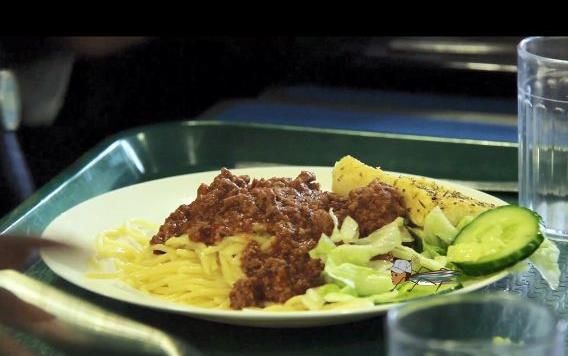
Kai ist in der Schulkantine. Er sitzt auf einem
Teller mit Spaghetti.
Karla und Kai sind im Schulgarten. Sie finden,
es ist ein guter Ort für den Urlaub.
14Karla und Kai fallen auf den Kopierer. Sie
müssen schnell wegrennen.
Die Insekten machen eine Party. Sie essen
Obst und Brezeln. Sie tanzen und hören Musik.
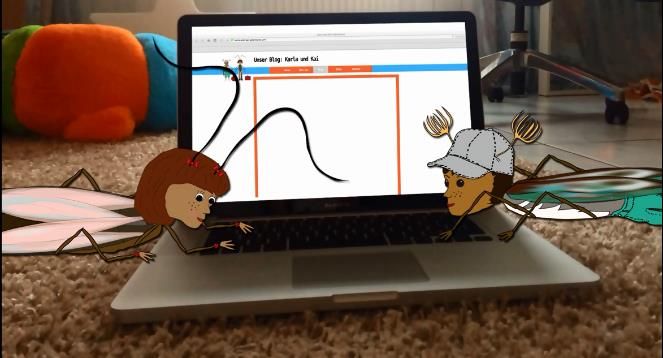
Karla schreibt einen Text für den Blog. Ihre
Freunde lesen, dass es in England schön ist.
1516
17
Flashcards
         Topics

         1)   Lyrics of title song
         2)   Time of day
         3)   Modes of transport
         4)   Shops
         5)   Emotions
         6)   Jobs
         7)   Weather
         8)   Pets

     1. Flashcards: Lyrics of the title song: Deutsch mit Karla und Kai

      Eins, zwei, drei.              Wir haben Spaß                  bei Karla

           Film ab,                  Kommt alle mit.                  Hier ist

          mit Karla                  Eins, zwei, drei.                Film ab.

           und Kai.                     noch frei                    und Kai.

18
Note: The whole song (first and second verse) is included in the Lesson Plans. Here you find the part
only that you can use as template for the cut-outs (see suggestions in the preparation for this lesson).
2. Time of day: digital
ein Uhr zwei Uhr fünf drei Uhr zehn
vier Uhr fünfzehn fünf Uhr zwanzig sechs Uhr
fünfundzwanzig
acht Uhr
sieben Uhr dreißig neun Uhr vierzig
fünfunddreißig
zehn Uhr zwölf Uhr
elf Uhr fünfzig
fünfundvierzig fünfundfünfzig
zwölf Uhr vierundzwanzig Uhr
19Time of day: analogue
ein Uhr fünf nach zwei zehn nach drei
fünfundzwanzig
Viertel nach vier zwanzig nach fünf
nach sechs
fünfundzwanzig
halb acht zwanzig vor zehn
vor neun
Viertel vor elf zehn vor zwölf fünf vor eins
Mittag Mitternacht
201.00 2.05 3.10
4.15 5.20 6.25
7.30 8.35 9.40
10.45 11.50 12.55
12.00 24.00
213. Transport Flashcards
das Auto das Taxi das Motorrad
die
der Bahnsteig die Straße
Straßenbahn
der Bus der Zug das Flugzeug
der das Fahrrad
das Boot
Lastwagen (das Rad)
die Ampel die Autobahn
2223
4. Shops und Gebäude

 (Please note: Germans have two words for ‘shop’: das Geschäft and der Laden so you will also
 find das Blumengeschäft or das Schuhgeschäft etc. Younger people use the word “Shop” as well.
 In Bavaria people call the butcher’s die Metzgerei.)

                                                                   der
           die                        die
                                                                 Schuh-
       Fleischerei                  Bäckerei
                                                                  laden

                                      der
          das                                                   der
                                    Blumen-
        Kaufhaus                                             Supermarkt
                                     laden

          der
                                     die                           die
       Spielzeug-
                                   Apotheke                      Brücke
         laden

           die                         die                        das
          Kirche                   Bibliothek                   Rathaus

            die                        die
           Post                       Bank

24
25
5. Emotionen

                                            Mir ist
       Mir ist kalt.     Mir ist heiß.
                                          langweilig.

       Ich habe
                        Ich bin nass.    Ich bin müde.
      gute Laune.

                                            Ich bin
     Ich bin traurig.   Ich bin krank.
                                          überrascht.

26
6. Berufe 27
der              die             der
         Koch           Kellnerin          Pilot

                                           die
     die Künstlerin   die Sportlerin
                                         Lehrerin

                                       die Kranken-
     der Künstler      der Polizist
                                        schwester

     der Kranken-         der
                                       die Polizistin
        pfleger         Fotograf

          die              die
      Verkäuferin       Tierärztin

28
7. Wetter
die Sonne die Wolke der Regen der Wind
der Schnee der Sturm der Blitz der Donner
die der
der Hagel der Nebel Wolken Regenbogen
298. Haustiere
der die der
Hund Katze Fisch
das das Meer- die
Kaninchen schweinchen Maus
der
der das
Esel
Hamster Pferd
die der der
Schlange Papagei Wellensittich
3031
Part C: Worksheets

 Chapter 1: Number square for Lottery

      1            2             3             4              5             6             7

      8            9            10            11            12             13            14

     15           16            17            18            19             20            21

     22           23            24            25            26             27            28

     29           30            31            32            33             34            35

     36           37            38            39            40             41            42

     43           44            45            46            47             48            49

 ‘The National Lottery’ in Germany is called ‘Lotto’. People have to make a cross in seven boxes
 on the ticket. The ‘bonus ball’ is called ‘die Superzahl’.

        https://www.youtube.com/watch?v=jq63zE-AOgo&list=PLjWXjiP4VfeWwNfXUerrd5y1DNlhFSOwD&index=1

32
Chapter 1: Wünsche und ihre Vorbereitung (wishes and their preparation)
Ich möchte Sabine Ich werde sie
sehen. anrufen.
Ich möchte Ich werde in die
einkaufen gehen. Stadt fahren.
Ich möchte einen Ich werde Bananen
Obstsalat machen. und Äpfel kaufen.
Ich möchte ein Ich werde eine Katze
Haustier haben. kaufen.
Ich möchte ein Haus Ich werde Buntstifte
malen. holen.
Ich möchte Doktor Ich werde zur
werden. Universität gehen.
33Chapter 2: Bundesländer und Sehenswürdigkeiten
Look around the classroom to find the missing information about the
German states listed below.
Bundesland Haupt- Lage Sehenswürdigkeit
stadt
Brandenburg Potsdam im Nord- Schloss Sanssouci
osten Filmpark Babelsberg mit
Stuntshow, viele Seen
Bayern München im Süden Marienplatz mit Neuem
Rathaus
Hessen Wiesbaden Mittel- Bankenzentrum in
deutschland Frankfurt am Main
Sachsen Dresden im Osten Semperoper, Frauen-
kirche
Nordrhein- Düsseldorf im Westen viel Industrie
Westfalen
Hamburg Hamburg im Nord- die Elbphilharmonie und
westen, an die Speicherstadt (Welt-
der Nordsee kulturerbe)
Berlin Berlin im Nord- Fernsehturm, Museums-
(Hauptstadt) osten insel, Kanzleramt
Can you find the additional information?
Wie viele Bundesländer gibt es? _______________________
Welche Städte sind gleichzeitig Bundesländer? _______________________
__________________________________________________________________________________
Wie viele und welche Millionenstädte hat Deutschland? _______________
__________________________________________________________________________________
34Information slips and three maps with states and their capitals to be put up or laid out
somewhere in the room.
Brandenburg ist ein Bundesland mit Die Hauptstadt von Nordrhein-West-
vielen Seen im Nordosten falen ist Düsseldorf. Es gibt viele
Deutschland. Das Schloss Sanssouci Städte und Menschen in diesem
in der Haupt-stadt Potsdam ist Bundesland. Viele Firmen sind in
weltberühmt. Junge Leute besuchen diesem großen Industriegebiet zu
sehr gern die Stunt-show im Filmpark Hause.
Babelsberg.
Deutschland hat über 80 Millionen Hamburg ist ein Bundesland und eine
Einwohner. Drei Städte sind auch Hauptstadt. Hamburg befindet sich in
Bundesländer. Das sind Berlin, Norddeutschland an der Nordsee. Die
Hamburg und Bremen. Es gibt vier Elbphilharmonie ist hier zu Hause, also
Millionenstädte: Berlin, Hamburg, kann man gute klassische Musik
München und Köln. hören.
Sachsen ist ein Bundesland im Osten Bayern liegt im Süden Deutschlands.
von Deutschland. Es gibt viele Es ist das größte Bundesland. Der
berühmte Gebäude in der Marienplatz mit dem Neuen Rathaus
sächsischen Hauptstadt Dresden. liegt mitten in München. Viele Leute
Zwei davon sind die Semperoper und treffen sich dort.
die Frauenkirche.
Hessen liegt in Mitteldeutschland; die Berlin ist ein Bundesland, aber auch
Hauptstadt von diesem Bundesland die Hauptstadt Deutschlands. Berlin ist
ist Wiesbaden. Eine andere wichtige eine lebendige Stadt mit vielen
Stadt in Hessen ist Frankfurt am Sehenswürdigkeiten. Du kannst zum
Main. Dort findet man das Beispiel den Fernsehturm, die
Bankenzentrum Deutschlands. Museumsinsel, das Kanzleramt oder
das Brandenburger Tor besuchen.
Deutschland hat sechzehn Bundes- Deutschland hat 14 Städte mit mehr als
länder. Jedes Bundesland hat eine einer halben Million Einwohner. Vier
Hauptstadt. Manche Bundesländer davon sind Millionenstädte Hamburg
sind groß und einige sind klein. Es liegt im Norden, München im Süden. Du
gibt drei Städte, die gleichzeitig findest Köln im Westen und Berlin im
Bundesland sind. Nordosten.
35Deutschland und die 16 Bundesländer mit ihren Hauptstädten
Bodensee
Public domain:
https://www.weltkarte.com/europa/deutschland/bundeslaender.htm
36Chapter 2: Aktivitäten Name: _________________________________ Datum: ________________
Look at the pictures around the room. Match the picture to the correct German phrase by writing the
picture number in the column entitled Bild Nummer. Now add the English translation!
Aktivität Bild Nummer Auf Englisch?
Fußball spielen
hoch springen
ein Foto machen
etwas essen
etwas einkaufen
in einem Haus wohnen
in Deutschland leben
1 2 3 4
5 6 7 8
37Chapter 2: Times of the Day - Wann-Spiel
am Morgen am Vormittag
am Abend am Mittag
am Nachmittag in der Nacht
38Wann schlafe ich?
Wann esse ich Abendbrot?
Wann stehe ich auf?
Wann gehe ich in die Schule?
Wann gehe ich nach Hause?
Wann wasche ich mich?
Wann esse ich Frühstück?
Wann sehe ich fern?
Wann lese ich?
Wann spiele ich?
Wann gehe ich ins Kino?
Wann ist es dunkel?
39Chapter 3: Wo kaufe ich was? (What goods can you buy in the following
shops?)
Name: _____________________ Datum: ____________________
In einer In einem In einer In einem
Fleischerei Bioladen Bäckerei Schuhladen
In einem In einem In einem In einem
Kaufhaus Blumenladen Spielzeugladen Supermarkt
40Chapter 3: Quiz sheet 41
Quiz answer sheet

 Answers to quiz: 40 Deutsche Erfindungen

     1. KINDERGARTEN
     2. KÜHLSCHRANK
     3. ADIDAS
     4. FAHRRAD
     5. ASPIRIN
     6. ZAHNPASTA
     7. WEIHNACHTSBAUM
     8. TELEFON
     9. KONTAKTLINSEN
     10. JEANS                                      LÖSUNGSWORT: KLARINETTE

 Chapter 4: Einfaches Perfekt mit ‚sein‘ und ‚haben‘
 Ich habe Tee getrunken. Ich habe Salat gegessen. Ich habe ein großes Schiff gesehen. Es hat geregnet. Ich
 habe „Nein“ gesagt. Ich habe Schach gespielt.
 Ich bin zum Konzert gegangen. Sie ist nach Berlin gefahren. Ich bin um 20 Uhr nach Hause gekommen.
 Karla und Kai sind an Land geschwommen. Ich bin sehr früh aufgestanden. Ich bin dabei gewesen.

         gegessen                        getrunken                         gesehen

         geregnet                           gesagt                         gespielt

         gegangen                         gefahren                       gekommen

     geschwommen                      aufgestanden                         gewesen

42
Chapter 4: Ein Kanu-Ausflug
Draw in and around the canoe the things you’d need when going on a canoe trip.
Beispiele
Handtuch Badehose Badeanzug Bikini
Paddel Geld Snacks Kekse
Wasser Hut Cap Sonnencreme
Tasche Decke Sandwiches Handy
Badeschuhe Sportschuhe Mückenspray
43Chapter 5: Deutscher Liedwettbewerb
Name: _____________________________ Datum: _________________________
Band/ Lied und Musikart Punkte Kommentar
Sänger/in Datum (1-3)
My comments:
My favourite song was __________________________________, because ________________________
____________________________________________________________________________________.
My least favourite song was _____________________________, because ________________________
____________________________________________________________________________________.
My impressions of the German music scene (past and present):
_____________________________________________________________________________________
____________________________________________________________________________________.
44Chapter 5: Lesson 6: Was passiert in Kapitel 5?
Sentences to be cut up into sets for group work.
Eine Kellnerin arbeitet im Zug.
Einige Verkäufer arbeiten in der Buchhandlung.
Karla und Kai gehen in den Zoo.
Es gibt ein Problem.
Karla und Kai fahren mit der Straßenbahn.
Karla und Kai gehen zur Tierklinik.
Kai möchte einen neuen Job.
Die anderen Kakerlaken sind nicht im Zoo.
Karla und Kai sind in Berlin.
Eine Spinne sagt, die Kakerlaken sind vielleicht beim Tierarzt.
45Chapter 6: Worksheet 1: Fragen und Antworten mit ‚war‘ und ‚hatte‘
Wie war das Wetter? Es war sonnig.
Wie war das Frühstück? Es war lecker!
Wie waren die Museen? Sie waren sehr interessant.
Wo warst du am Samstag? Bei meinem Bruder. Er hatte
eine Party.
Wo war sie am Sonntag? Am Sonntag war sie im Kino.
War sie am Tennisklub? Nein, sie war gestern krank.
Hatte sie eine Musikstunde? Ja, sie spielt gern Trompete.
Was hattest du am Montag? Ich hatte Deutsch.
Wo war er im Sommer? Er war in Spanien.
War sie krank? Ja, sie hatte Kopfschmerzen.
46Chapter 6: Worksheet 2: Einkaufsliste Meine Einkaufsliste Meine Einkaufsliste Partner A Partner B 1. zwanzig Würstchen 1. ………………………… 2. ………………………… 2. Erdnussflips 3. ein Glas Sauerkraut 3. …………………………… 4. ……………………………. 4. Kartoffelsalat 5. zwei Gläser Gurken 5. ……………………………… 6. ………………………….. 6. Käse 7. Mineralwasser 7. ……………………………… 8. ……………………………….. 8. Heidelbeersaft 9. zehn Brötchen 9. ……………………………… 10. ……………………………… 10. zwei Kopfsalate 47
Chapter 6: Worksheet 3: Deutsche Essensprobe

     Wie heißt das Essen?           Wie schmeckt es?

     1.

     2.

     3.

     4.

     5.

     6.

     7.

     8.

                   Hilfe!                  Help!

                   lecker                  tasty

                   gut                     good

                   ekelhaft                disgusting

                   schlecht                bad

                   komisch                 weird

                   nicht schlecht          not bad

                   Es geht.                It’s ok.

48
Ich behaupte, dass mein Ich behaupte, dass mein
Lieblingsauto ein Audi ist. Lieblingsauto ein Renault ist.
Ich behaupte, dass mein Ich behaupte, dass mein
Lieblingsland Portugal ist. Lieblingsland Australien ist.
Ich behaupte, dass mein Ich behaupte, dass mein
Lieblingseis Vanille ist. Lieblingseis Karamell ist.
Ich behaupte, dass mein Ich behaupte, dass mein Lieb-
Lieblingsbuch ‚Harry Potter‘ ist. lingsbuch ‚Die Unendliche
Geschichte‘ ist.
Ich behaupte, dass mein Ich behaupte, dass mein Lieb-
Lieblingssport Handball ist. lingssport Snowboardfahren ist.
Ich behaupte, dass mein Ich behaupte, dass mein
Lieblingstier ein Pony ist. Lieblingstier ein Kaninchen ist.
Ich behaupte, dass ich am Ich behaupte, dass ich am
liebsten Tee trinke. liebsten Cola trinke.
Ich behaupte, dass ich am Ich behaupte, dass ich am
liebsten Salat esse. liebsten Eierkuchen esse.
Ich behaupte, dass ich am Ich behaupte, dass ich am
liebsten im Herbst Urlaub mache. liebsten im Sommer Urlaub
mache.
Ich behaupte, dass ich gut Ich behaupte, dass ich Computer
balancieren kann. reparieren kann.
Ich behaupte, dass ich am Ich behaupte, dass ich jeden
Sonntag bis 11 Uhr schlafe. Morgen den Hund ausführe.
Ich behaupte, dass ich ein Ich behaupte, dass ich schon mal
Haustier habe. in Spanien war.
49Part D: Cultural Tips
- The setting of Deutsch mit Karla & Kai Volume 2 is Germany, and the inclusion of a
wealth of information about the country is intentional. Through the videos, which are at
the core of the teaching and learning, we introduce pupils to this modern European
country and help them to get to know its important cities and regions. We look at many
popular means of transport including bikes and cars, but also public transport such as
trams, train or buses.
- In the films we show free time activities popular with young people such as going
canoeing or having a party.
- Here is a typical timetable for Year 6 pupils in Germany so that your pupils can compare
it with their own timetables.
Uhrzeit Stunde Montag Dienstag Mittwoch Donnerstag Freitag
7.45 – A-Woche: TC
1 Frz Geo Frz D
8.30 B-Woche: Ku
8.40 – A-Woche: TC
2 Frz Geo Frz D
9.25 B-Woche: Ku
9.55 –
3 D Ph Eth/Rel Mu Ma
10.45
10.55 –
4 D Eng Ma D Sp
11.40
11.50 –
5 Ma Bio Ma Ge Ph
12.35
13.15 – Eng
6 Ge Eng Bio Ma
14.00
14.10 – Eng
7 Sp Fö Frz Eng
14.55
15.05 –
8 - - - Frz -
15.50
Frz – Französisch / D – Deutsch / Ma – Mathematik / Ge – Geschichte / Sp – Sport /
Geo – Geografie / Ph – Physik / Eng – Englisch / Bio – Biologie / Fö – Förderunterricht /
Eth – Ethik / Rel – Religion / TC – Technik und Computer / Ku – Kunst / Mu – Musik
(children can choose between Ethics or Religion, in Ethics they learn about several religions, in Religion
they usually have lessons with a priest from either a catholic or a Lutheran church)
50Recommendations for German books that could be used with classes in school: Lorenz Pauli: Wie weihnachtelt man? Rafik Schami: „Hast du Angst?“, fragte die Maus Heinz Janisch/Helga Bansch: Die Brücke Nadia Budde: EINS ZWEI DREI TIER Leo Lionni: Das größte Haus der Welt / Pezzettino Jon Klassen: Wo ist mein Hut Hanna Johansen/Jacky Gleich: Sei doch mal still Anais Vaugelade: Steinsuppe Das Rübchen (Eulenspiegel Verlag) (nach einem russischen Volksmärchen) Mies van Hout: Heute bin ich Neal Layton: Das Foto Katja Neubauer: Schwuppdiwupp, kleine graue Maus! Roma Schultz: Spinne, Spaß und Spiele Books in two languages (English and German) Ulrike Rylance/Jessica Störmer: Der Farbenverdreher Lucia Scuderi: Wie fühlst du dich heute? Antonella Abbatiello: Das Allerwichtigste Orianne Lallemand/Eleonore Thuillier: Der Wolf, der seine Farbe nicht mochte Shobha Viswanath/Christine Kastl: Die verschwundenen Formen 51
Templates (page numbers in brackets where mentioned in Teacher notes)
1. English & German intensifiers template (P32) to be added
2. Snakes & Ladders board template (P38) to be added
3. Map of Germany with rivers and The Alps shown (Ps 66 / 67 / 72) to be
added
4. Set of short sentences about a day in Berlin (P82) to be added
5. Gap filling template for IAW (P103) to be added
Part E: Don’t be afraid of insects!
Cockroaches:
Cockroaches have been around since the time of dinosaurs
A cockroach can live almost a month without food
A cockroach can live about two weeks without water
Some female cockroaches only mate once and stay pregnant for life
A cockroach can live for up to one week without its head
Cockroaches can hold their breath for up to 40 minutes
Cockroaches can run up to 3 miles an hour
Photo: homero chapa
Cockroaches feed on dead plants and fruit and are thus important for
decomposition of ground litter and for humification. They are also an essential part of the
food chains of many ecosystems. They are particularly important for tropical forest
ecosystems.
Cockroaches have been around for millions of years, evolving into some of the most
adaptable pests on earth. They are commonly found in buildings and homes because they
prefer warm environments close to food and water. Unfortunately, they can cause allergies
and trigger asthma attacks, especially in children. They can also spread nearly 33 different
kinds of bacteria.
52Maybeetles:
maybeetles are up to 2-3 cm long and have 6 legs
typically they have brown wings, a black neck shield and a black-
and-white zigzag pattern on their sides; some maybeetles are hairy
maybeetles live in Central and Northern Europe as well as in the
temperate zones in Asia
they exist mainly in broadleaf forest because the leaves constitute
Photo: Bernd/pixelio.de
their basic food resource
maybeetles develop for up to 5 years but once fully grown, they die after 4-7 weeks
they are called maybeetles because their main flight season is May
maybeetles used to be considered pests and between 1950 – 1970, they were heavily
fought with the use of insecticides in order to stop them from reproducing, so today
the population is smaller.
Translation: Goethe-Institut London
Contributions:
We gratefully acknowledge the contributions of the following people:
Illustrations:
Hariet E. Roth and Friederike Schumann (cliparts)
Editorial work:
Roma Franziska Schultz, Vanessa Pilgerstorfer
Other sources/websites:
www.clker.com, p. 19, 21 (flashcards flags)
www.pestworldforkids.org/pest-guide/cockroaches (information about cockroaches)
www.kindernetz.de/oli/tierlexikon (information about maybeetles)
53Sie können auch lesen


