Betriebsanleitung Instruction Manual Mode d'emploi Manuale d'uso - Robotunits
←
→
Transkription von Seiteninhalten
Wenn Ihr Browser die Seite nicht korrekt rendert, bitte, lesen Sie den Inhalt der Seite unten
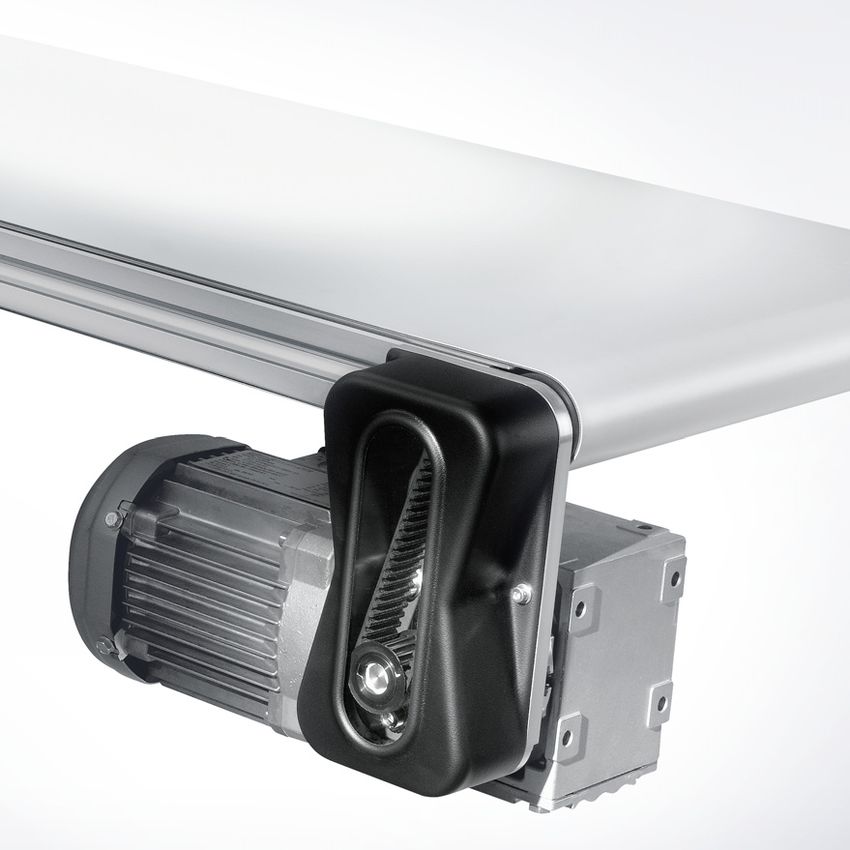
Betriebsanleitung
Instruction Manual
    Mode d‘emploi
    Manuale d’uso
Deutsch

           Betriebsanleitung Förderband . . . . . . . . . . . . . . . . . . . . . . . . . . . . . . . . . . . . . . . . 3
           Original
English

           Conveyor System instruction manual . . . . . . . . . . . . . . . . . . . . . . . . . . . . . . . . . 19
           Translation
Français

           Mode d‘emploi de la bande transporteuse . . . . . . . . . . . . . . . . . . . . . . . . . . . . . 35
           La traduction
Italiano

           Manuale d‘uso Nastro trasportatore . . . . . . . . . . . . . . . . . . . . . . . . . . . . . . . . . . 51
           La traduzione
3
Das Inhaltsverzeichnis
1. Allgemeines . . . . . . . . . . . . . . . . . . . . . . . . . . . . . . . . . . . . . . . . . . . . . . . . . . . . . . . . 4
1.1 Hersteller der Anlage . . . . . . . . . . . . . . . . . . . . . . . . . . . . . . . . . . . . . . . . . . . . . . . . 4
1.2 Verwendungszweck . . . . . . . . . . . . . . . . . . . . . . . . . . . . . . . . . . . . . . . . . . . . . . . . . . 4
Deutsch
1.3 Historie . . . . . . . . . . . . . . . . . . . . . . . . . . . . . . . . . . . . . . . . . . . . . . . . . . . . . . . . . . . . 4
2. Sicherheit . . . . . . . . . . . . . . . . . . . . . . . . . . . . . . . . . . . . . . . . . . . . . . . . . . . . . . . . . . 5
2.1 Allgemeines . . . . . . . . . . . . . . . . . . . . . . . . . . . . . . . . . . . . . . . . . . . . . . . . . . . . . . . . 5
2.2 Bestimmungsgemäße Verwendung. . . . . . . . . . . . . . . . . . . . . . . . . . . . . . . . . . . . . 5
2.3 Bestimmungswidrige Verwendung und zu unterlassen ist . . . . . . . . . . . . . . . . . . 5
2.4 Sicherheitshinweise zum Normalbetrieb . . . . . . . . . . . . . . . . . . . . . . . . . . . . . . . . 7
2.5 Sicherheitshinweise Elektrik . . . . . . . . . . . . . . . . . . . . . . . . . . . . . . . . . . . . . . . . . . . 7
2.6 Sicherheitshinweise Mechanik . . . . . . . . . . . . . . . . . . . . . . . . . . . . . . . . . . . . . . . . . 8
2.7 Sicherheitshinweise für Reinigungs- und Instandhaltungsarbeiten . . . . . . . . . . . 8
3. Transport/Montage . . . . . . . . . . . . . . . . . . . . . . . . . . . . . . . . . . . . . . . . . . . . . . . . . . 9
3.1 Lager-/Transportbedingungen Maschine . . . . . . . . . . . . . . . . . . . . . . . . . . . . . . . . . 9
3.2 Anforderungen Transportmittel . . . . . . . . . . . . . . . . . . . . . . . . . . . . . . . . . . . . . . . . 9
3.3 Elektrische Installation/Verdrahtung . . . . . . . . . . . . . . . . . . . . . . . . . . . . . . . . . . . . 9
4. Inbetriebnahme . . . . . . . . . . . . . . . . . . . . . . . . . . . . . . . . . . . . . . . . . . . . . . . . . . . . 10
4.1 Anforderungen Personal. . . . . . . . . . . . . . . . . . . . . . . . . . . . . . . . . . . . . . . . . . . . . 10
4.2 Anschluss der Maschine . . . . . . . . . . . . . . . . . . . . . . . . . . . . . . . . . . . . . . . . . . . . 10
4.3 Erstinbetriebnahme . . . . . . . . . . . . . . . . . . . . . . . . . . . . . . . . . . . . . . . . . . . . . . . . .11
4.4 Einstellen des Bandlaufs . . . . . . . . . . . . . . . . . . . . . . . . . . . . . . . . . . . . . . . . . . . . . 12
4.4.1 Kopfantrieb einrichten. . . . . . . . . . . . . . . . . . . . . . . . . . . . . . . . . . . . . . . . . . . . . . . 12
4.4.2 Mittenantrieb einrichten . . . . . . . . . . . . . . . . . . . . . . . . . . . . . . . . . . . . . . . . . . . . . 12
4.5 Während der Inbetriebnahme . . . . . . . . . . . . . . . . . . . . . . . . . . . . . . . . . . . . . . . . 13
4.6 Außerbetriebnahme . . . . . . . . . . . . . . . . . . . . . . . . . . . . . . . . . . . . . . . . . . . . . . . . 13
4.7 Entsorgung. . . . . . . . . . . . . . . . . . . . . . . . . . . . . . . . . . . . . . . . . . . . . . . . . . . . . . . . 13
5. Wartung . . . . . . . . . . . . . . . . . . . . . . . . . . . . . . . . . . . . . . . . . . . . . . . . . . . . . . . . . . 14
5.1 Anforderungen Wartungspersonal. . . . . . . . . . . . . . . . . . . . . . . . . . . . . . . . . . . . . 14
5.2 Wartungstabelle . . . . . . . . . . . . . . . . . . . . . . . . . . . . . . . . . . . . . . . . . . . . . . . . . . . . 14
5.3 Instandsetzungsarbeiten / Reparatur . . . . . . . . . . . . . . . . . . . . . . . . . . . . . . . . . . . 14
5.4 Lagerwechsel . . . . . . . . . . . . . . . . . . . . . . . . . . . . . . . . . . . . . . . . . . . . . . . . . . . . . . 14
5.5 Kopfantrieb Gurtwechsel . . . . . . . . . . . . . . . . . . . . . . . . . . . . . . . . . . . . . . . . . . . . 15
5.6 Mittenantrieb Gurtwechsel . . . . . . . . . . . . . . . . . . . . . . . . . . . . . . . . . . . . . . . . . . . 15
6. EU Konformitätserklärung . . . . . . . . . . . . . . . . . . . . . . . . . . . . . . . . . . . . . . . . . . . 16
Förderband Spezifische Ersatzteilliste . . . . . . . . . . . . . . . . . . . . . . . . . . . . . . . . . beigelegt
Technische Unterlagen . . . . . . . . . . . . . . . . . . . . . . . . . . . . . . . . . . . . . . . . . . . . . beigelegt4
1. Allgemeines
1.1 Hersteller der Anlage
Robotunits GmbH
Deutsch
Dr. Walter Zumtobel Str. 2
A-6850 Dornbirn
Tel. +43 5572 22000 200
Fax +43 5572 22000 9200
www.robotunits.com
1.2 Verwendungszweck
Zum Fördern von Transportgut.
1.3 Historie
Version Anpassungsgrund Betroffene Seiten
01.00 Neuanlage Alle5
2. Sicherheit
2.1 Allgemeines
• Die Betriebsanleitung ist Bestandteil der Maschine. Sie ist jederzeit in
Deutsch
Maschinennähe bereitzustellen. Das genaue Beachten dieser Anweisung ist
Voraussetzung für den bestimmungsgemäßen Gebrauch und die richtige
Bedienung der Maschine.
• Robotunits betrachtet sich für die Geräte im Hinblick auf Sicherheit,
Zuverlässigkeit und Funktionsfähigkeit nur verantwortlich, wenn Montage,
Neueinstellungen, Änderungen, Erweiterungen und Reparaturen durch
Robotunits oder durch eine von Robotunits dazu autorisierte Stelle
ausgeführt werden und die Maschine in Übereinstimmung mit der
Betriebsanleitung verwendet wird.
2.2 Bestimmungsgemäße Verwendung
Das Förderband ist konzipiert und gebaut zum überwiegend
i • horizontalen Fördern von Stückgütern oder Flüssigkeiten in geschlossenen
Behältern
• und/ oder für solche Anwendungen wie im Angebot bzw. in der
Auftragsbestätigung, genannt. Wobei das Fördern von Gütern >10 mm und
mit einem definierten Gewicht auf die erforderliche Bandbreite des Gurtes
und auf dessen Fähigkeit größere Gewichte zu fördern, Einfluss nimmt.
• Benutzung nur von unterwiesenen und erwachsenen Personen
2.3 Bestimmungswidrige Verwendung und zu unterlassen ist:
Die Verwendung unter anderen als den, durch den Hersteller in seinen
i technischen Unterlagen, Datenblätter, Montage-, Installations- und
Betriebsanleitungen und in anderen spezifischen Vorgaben, genannten
Bedingungen und Voraussetzungen.6
2. Sicherheit
2.3 Bestimmungswidrige Verwendung und zu unterlassen ist:
Insbesondere zu verhindern ist:
Deutsch
i • der Betrieb der Maschine ohne Sicherheitseinrichtungen.
• vorhandene Sicherheitseinrichtungen zu manipulieren oder zu umgehen
oder unbrauchbar machen.
• Verwendung im oder unter Wasser
• Fördern von Tieren und Menschen
• Fördern von heißen Stoffen und Gegenständen (> 80°C)
• Fördern von Gegenständen, welche durch statische Entladungen beschädigt
werden können.
• Fördern von, und Einsetzen in, Säuren, aggressiven Stoffen, abrasiven
Materialien und Stoffe
• Fördern mit zu hoher Geschwindigkeit (wg. heraus schleudern von Gütern)
Generell bestimmungswidrig ist:
• Das bewusste Erzeugen und Verarbeiten von brennbaren oder explosiblen
Stoffen.
• Der Einsatz in Bereichen, in welchen mit häufigem oder mit dauerndem
Auftreten von explosiblen Atmosphären aus Gas oder Staub zu rechnen ist.
(die Verwendung in Ex-Bereichen muss vorher mit Robotunits abgestimmt
werden, weil hierzu evtl. konstruktive Änderungen erforderliche sind)
Werden vom Betreiber andere oder weitere Stoffe und Materialien als die dem
Hersteller bekannten und in den Vertragswerken bzw. im Pflichtenheft genannten,
bewegt bzw. verfahren, gilt die Erklärung des Herstellers nicht mehr. Hier greift
dann die RL 2009/104/EG.
Die Maschine ist für den Betrieb bei Umgebungstemperaturen von
– 20 bis + 60 °C konzipiert. In Bezug auf die Luftfeuchtigkeit sind die Grenzwerte
der Schutzklasse IP54 einzuhalten.
Das Verwenden der Maschine in explosionsgefährdeten Bereichen ist untersagt.7
2. Sicherheit
2.4 Sicherheitshinweise zum Normalbetrieb
Die Maschine wurde von Robotunits nach dem Stand der Technik entwickelt
Deutsch
und konstruiert. Gefährdungen sind bei bestimmungsgemäßer Verwendung
nicht zu erwarten. Restgefährdungen sind auf ein Minimum reduziert.
• Beim Betrieb der Maschine sind die nationalen Gesetze und
Vorschriften zum Sicherheits- und Gesundheitsschutz für Arbeitnehmer bei
der Arbeit zu beachten! Im Interesse eines sicheren Arbeitsablaufes
sind Betreiber und Anwender für die Einhaltung der Vorschriften
verantwortlich.
• Der Anwender hat vor jeder Anwendung der Maschine die Funktion
und den ordnungsgemäßen Zustand der Maschine zu prüfen.
• Der Anwender muss mit der Betriebsanleitung der Maschine
vertraut sein.
2.5 Sicherheitshinweise Elektrik
• Die Maschine darf nur an einen ordnungsgemäß installierten
Steck- oder Klemmkontakt angeschlossen werden.
• In Gefahrensituationen oder bei technischen Störungen sofort die
Maschine mittels Schalter oder NOT HALT vom Stromkreis trennen.
• Die Installation ist durch eine qualifizierte und befugte elektrotechnische
Fachkraft auszuführen.
• Die beigestellten Bestimmungen, Anleitungen und Schaltbilder des
Motorenherstellers sind einzuhalten.
• Bei Verwendung eines Frequenzumrichters sind die beigestellten Bestim-
mungen, Anleitungen und Schaltbilder des Frequenzumrichterherstellers
einzuhalten.8
2. Sicherheit
2.6 Sicherheitshinweise Mechanik
Die Maschine darf nur im Originalzustand (mit allen Sicherheitseinrichtungen
Deutsch
i z.B. Abdeckungen) betrieben werden.
Beim Einbauen bzw. beim Komplettieren zu einer Gesamtanlage, muss die
„Integration der Sicherheit“ beachtet werden. Das kann dazu führen, dass der
Betreiber/Benutzer eigene bzw. weiterführende Schutz-und Sicherheitseinrichtun-
gen benötigt. Dies muss die Gefährdungsanalyse am Arbeitsplatz, die vom
Betreiber/Arbeitgeber vorgenommen werden muss, ergeben.
2.7 Sicherheitshinweise für Reinigungs- und Instandhaltungsarbeiten
Vor den Reinigungsarbeiten ist die Maschine in einen sicheren Zustand
zu bringen, von der Energiezufuhr zu trennen und gegen Wiederanlauf
zu sichern.9
3. Transport/Montage
3.1 Lager-/Transportbedingungen Maschine
Bei Transport und Lagerung muss die Maschine gegen das Umkippen gesichert
Deutsch
werden. Nicht im Freien lagern.
3.2 Anforderungen Transportmittel
Beim Heben der Maschine ist auf die Lage des Schwerpunktes zu achten.
Ein Aufenthalt unter der Last ist verboten.
Es sind geeignete Transportmittel zu verwenden.
3.3 Elektrische Installation/Verdrahtung
Die beigestellten Bestimmungen, Anleitungen und Schaltbilder des
Motorenherstellers sind einzuhalten.
Bei Verwendung eines Frequenzumrichters sind die beigestellten Bestimmungen,
Anleitungen und Schaltbilder des Frequenzumrichterherstellers einzuhalten.10
4. Inbetriebnahme
4.1 Anforderungen Personal
Alle Arbeiten an der Maschine dürfen nur durch qualifizierte und befugte
Deutsch
Fachkräfte durchgeführt werden.
4.2 Anschluss der Maschine
Verletzung der unteren Gliedmaßen durch Quetschen und Stoßen beim
Umkippen der Maschine, wenn diese während der Montagearbeiten wegen
labiler Lage umstürzt. Maschine stets gegen Umkippen sichern.
Die Installation ist nur durch eine qualifizierte und befugte Fachkraft
auszuführen.
Die Sicherheitshinweise Elektrik (2.5) und Mechanik (2.6) sind zu beachten.11
4. Inbetriebnahme
4.3 Erstinbetriebnahme
Verletzung der oberen Gliedmaßen durch Schneiden und Einklemmen an trans-
Deutsch
portierten, Verletzungen verursachenden Werkstücken bzw. Gütern, wenn in den
Gefahrenbereich eingegriffen werden kann.
Sollen solche gefährlichen Güter transportiert werden, muss der Betreiber mit
trennenden Schutzvorrichtungen oder ähnlich wirksamen Mitteln ein Eingreifen
verhindern.
Vor der ersten Inbetriebnahme ist zu prüfen:
1. Die ordnungsgemäße Installation aller Sicherheitseinrichtungen
i und Abdeckungen.
Bei erhöhter Gefahr durch das Transportgut ist eine entsprechende
Schutzvorrichtung vorzusehen und/oder der Gefahrenbereich abzusichern.
2. Nach dem ersten Anlaufen des Bandes ist die Bandgeschwindigkeit,
Bandlauf (mittig) und Laufrichtung zu prüfen. Um einen sicheren Betrieb
zu gewährleisten, muss das Förderband in der eingestellten Laufrichtung
betrieben werden („ziehend“ oder „schiebend“).
Antriebsseite
Laufrichtung
ziehend12
4. Inbetriebnahme
4.4 Einstellen des Bandlaufs
Der Gurtlauf wird vor der Auslieferung eingestellt. Sollte der Gurtlauf
Deutsch
trotzdem korrigiert werden müssen, gehen Sie wie folgt vor:
4.4.1 Kopfantrieb einrichten
A) B)
Gurtförderer ausrichten Gurt verläuft nach rechts, rechts spannen
Gurt verläuft nach links, links spannen
C) 1. Schraube an der 2. Spanneinheit in
Seitenplatte lösen Schritten von max.
einer 1/2 Umdre-
3. Schraube nach dem hung spannen
Spannen wieder
festziehen 1/2
4.4.2 Mittenantrieb einrichten
A) B)
Gurtförderer ausrichten Gurt verläuft nach rechts, links spannen
Gurt verläuft nach links, rechts spannen
C) 1. Schraube an der 2. Spanneinheit in
Seitenplatte lösen Schritten von max.
einer 1/2 Umdre-
3. Schraube nach dem hung spannen
Spannen wieder
festziehen 1/213
4. Inbetriebnahme
4.5 Während der Inbetriebnahme
Während der Inbetriebnahme ist das Entfernen der Sicherheitseinrichtungen,
Deutsch
Abdeckungen und Schutzzvorrichtungen untersagt.
Ebenso muss der Gefahrenbereich abgesichert sein.
Das Herantreten und/oder Bedienen der Maschine ist nur mit entsprechender
Schutzkleidung (Haarnetz, Gehörschutz, Sicherheitsschuhe usw.) gestattet.
4.6 Außerbetriebnahme
Verletzung durch Stromstoß!
Vor der Außerbetriebnahme die Maschine still setzen und vom Netz trennen,
bevor weitere Demontagearbeiten vorgenommen werden. Bei der
Außerbetriebnahme muss die Maschine in einem sicheren Zustand sein.
Die Außerbetriebnahme ist nur durch eine qualifizierte und befugte Fachkraft
auszuführen.
4.7 Entsorgung
Die Maschine ist nach den nationalen Vorschriften zu entsorgen.14
5. Wartung
Die Sicherheit für den Betreiber und ein störungsfreier Betrieb der Maschine ist nur bei
der Verwendung von Originalmaschinenteilen gewährleistet. Eine korrekte Maschinen-
pflege ist Voraussetzung für einen störungsfreien Betrieb und eine lange Lebensdauer.
Deutsch
Sämtliche Wartungsarbeiten, mit Ausnahme der Einstellung des Bandlaufes und der
Überprüfung der Laufrichtung, dürfen nur im stromlosen Zustand der Maschine
vorgenommen werden.
5.1 Anforderungen Wartungspersonal
Bei Wartungsarbeiten ist die Standsicherheit der Maschine zu gewährleisten.
Die Wartung ist nur durch eine qualifizierte und befugte Fachkraft auszuführen.
5.2 Wartungstabelle
Wartungsstelle Wartungsintervall Tätigkeit
Lager 2 x jährlich Auf Verschleiß prüfen
Optisch auf
Elektroinstallationen 2 x jährlich
Beschädigung prüfen
Zahnriemen Optisch auf
1 x monatlich
(falls vorhanden) Beschädigung prüfen
Optisch auf
Transportgurt 1 x monatlich
Beschädigung prüfen
Schraubenverbindung 1 Monat nach
Auf Festigkeit prüfen
nach Erstinbetriebnahme Erstinbetriebnahme
Schraubenverbindungen 1 x jährlich Auf Festigkeit prüfen
Bandlauf und
Transportgurt 1 x monatlich
Laufrichtung prüfen
5.3 Instandsetzungsarbeiten / Reparatur
Instandsetzungs- bzw. Reparaturarbeiten dürfen nur durch Robotunits oder durch
eine von Robotunits autorisierte Stelle durchgeführt werden.
5.4 Lagerwechsel
Siehe beiliegende Zeichnungen oder auf unserer Homepage:
www.robotunits.com/Produkte/Downloads15
5. Wartung
5.5 Kopfantrieb Gurtwechsel
A) B)
Deutsch
B
A
A
Gurt A völlig entspannen (siehe 4
4.4.1
4 1 C) Gurt A durch Gurt B ersetzen
C) D)
1/2
1/2
1000 mm z. B. 1003 mm
Markierung von 1000 mm mittig setzen Spannen laut spezifischer Stückliste
(z. B. 0,3 % = 1003 mm)
5.6 Mittenantrieb Gurtwechsel
A) B)
A
Gurt A völlig entspannen (siehe 4.4.2 C) Einschnürtrommel entfernen
C) D)
B
A
Gurt A durch Gurt B ersetzen Einschnürtrommel montieren
E) F)
1/2
1/2
1000 mm z. B. 1003 mm
Markierung von 1000 mm mittig setzen Beidseitiges Spannen laut spezifischer
Stückliste (z. B. 0,3 % = 1003 mm)16
6. EU Konformitätserklärung
Wir als Hersteller der Maschine erklären in alleiniger Verantwortung die Übereinstim-
mung der nachfolgend bezeichneten Maschine mit den unten angeführten Harmonisie-
rungsrechtsvorschriften der EU.
Deutsch
Die aufgeführten einschlägigen harmonisierten Normen der EU und ggf. weiterer
Spezifikationen wurden für die Konformität zugrunde gelegt.
Hersteller: Robotunits GmbH
Dr. Walter Zumtobel Strasse 2
6850 Dornbirn, AUSTRIA
Produkt:
Einschlägige Harmonisierungsrechtsvorschriften (Richtlinien):
2006/42/EG (09.06.2006) Maschinenrichtlinie
2014/30/EU (29.03.2014) Richtlinie elektromagnetische Verträglichkeit
Angewandte harmonisierte Normen:
EN ISO 12100:2010 Sicherheit von Maschinen, Allgemeine Gestaltungsleit-
sätze, Risikobeurteilung, Risikominderung;
EN 60204-1:2006+A1:2009 Sicherheit von Maschinen, Elektrische Ausrüstung ,
Teil 1: Allgemeine Anforderungen;
EN 619+A1:2010 Stetigförderer und Systeme - Sicherheits- und
EMV- Anforderungen an mechanische
Fördereinrichtungen für Stückgut Förderbänder
Bevollmächtigter für die technischen Unterlagen: Robotunits GmbH
Dr. Walter Zumtobel Strasse 2
6850 Dornbirn, AUSTRIA
Unterzeichnet für und im Namen von: Robotunits GmbH
Dornbirn, 31. Jänner 2018 Christian Beer
Geschäftsführender Gesellschafter17 Deutsch
18
     English
19
Index
1. General . . . . . . . . . . . . . . . . . . . . . . . . . . . . . . . . . . . . . . . . . . . . . . . . . . . . . . . . . . . 20
1.1 Manufacturer of the system . . . . . . . . . . . . . . . . . . . . . . . . . . . . . . . . . . . . . . . . . . 20
1.2 Purpose . . . . . . . . . . . . . . . . . . . . . . . . . . . . . . . . . . . . . . . . . . . . . . . . . . . . . . . . . . 20
1.3 History . . . . . . . . . . . . . . . . . . . . . . . . . . . . . . . . . . . . . . . . . . . . . . . . . . . . . . . . . . . 20
2. Safety . . . . . . . . . . . . . . . . . . . . . . . . . . . . . . . . . . . . . . . . . . . . . . . . . . . . . . . . . . . . 21
2.1 General . . . . . . . . . . . . . . . . . . . . . . . . . . . . . . . . . . . . . . . . . . . . . . . . . . . . . . . . . . . 21
2.2 Intendend use . . . . . . . . . . . . . . . . . . . . . . . . . . . . . . . . . . . . . . . . . . . . . . . . . . . . . 21
2.3 Improper use and prohibited . . . . . . . . . . . . . . . . . . . . . . . . . . . . . . . . . . . . . . . . . 21
2.4 Safety advice - normal operation . . . . . . . . . . . . . . . . . . . . . . . . . . . . . . . . . . . . . . 23
2.5 Safety advice - electrical . . . . . . . . . . . . . . . . . . . . . . . . . . . . . . . . . . . . . . . . . . . . . 23
2.6 Safety advice - mechanics . . . . . . . . . . . . . . . . . . . . . . . . . . . . . . . . . . . . . . . . . . . 24
English
2.7 Safety advice - cleaning . . . . . . . . . . . . . . . . . . . . . . . . . . . . . . . . . . . . . . . . . . . . . 24
3. Transport / assembly . . . . . . . . . . . . . . . . . . . . . . . . . . . . . . . . . . . . . . . . . . . . . . . . 25
3.1 Storage / transport conditions . . . . . . . . . . . . . . . . . . . . . . . . . . . . . . . . . . . . . . . . 25
3.2 Transport requirments . . . . . . . . . . . . . . . . . . . . . . . . . . . . . . . . . . . . . . . . . . . . . . 25
3.3 Electrical installation / wiring . . . . . . . . . . . . . . . . . . . . . . . . . . . . . . . . . . . . . . . . . 25
4. Operating instructions . . . . . . . . . . . . . . . . . . . . . . . . . . . . . . . . . . . . . . . . . . . . . . 26
4.1 Requirements of personnel . . . . . . . . . . . . . . . . . . . . . . . . . . . . . . . . . . . . . . . . . . 26
4.2 Installation . . . . . . . . . . . . . . . . . . . . . . . . . . . . . . . . . . . . . . . . . . . . . . . . . . . . . . . . 26
4.3 Initial operation . . . . . . . . . . . . . . . . . . . . . . . . . . . . . . . . . . . . . . . . . . . . . . . . . . . . 27
4.4 Tracking the belt . . . . . . . . . . . . . . . . . . . . . . . . . . . . . . . . . . . . . . . . . . . . . . . . . . . 28
4.4.1 End drive adjustment . . . . . . . . . . . . . . . . . . . . . . . . . . . . . . . . . . . . . . . . . . . . . . . 28
4.4.2 Center drive adjustment . . . . . . . . . . . . . . . . . . . . . . . . . . . . . . . . . . . . . . . . . . . . . 28
4.5 During operation . . . . . . . . . . . . . . . . . . . . . . . . . . . . . . . . . . . . . . . . . . . . . . . . . . . 29
4.6 Placing out of operation . . . . . . . . . . . . . . . . . . . . . . . . . . . . . . . . . . . . . . . . . . . . . 29
4.7 Disposal . . . . . . . . . . . . . . . . . . . . . . . . . . . . . . . . . . . . . . . . . . . . . . . . . . . . . . . . . . 29
5. Maintenance . . . . . . . . . . . . . . . . . . . . . . . . . . . . . . . . . . . . . . . . . . . . . . . . . . . . . . 30
5.1 Requirements of maintenance personnel . . . . . . . . . . . . . . . . . . . . . . . . . . . . . . . 30
5.2 Maintenance schedule . . . . . . . . . . . . . . . . . . . . . . . . . . . . . . . . . . . . . . . . . . . . . . 30
5.3 Courrective maintenance / repairs . . . . . . . . . . . . . . . . . . . . . . . . . . . . . . . . . . . . . 30
5.4 Bearing replacement . . . . . . . . . . . . . . . . . . . . . . . . . . . . . . . . . . . . . . . . . . . . . . . . 30
5.5 Belt change on end . . . . . . . . . . . . . . . . . . . . . . . . . . . . . . . . . . . . . . . . . . . . . . . . . 31
5.6 Belt change on center . . . . . . . . . . . . . . . . . . . . . . . . . . . . . . . . . . . . . . . . . . . . . . . 31
6. EU Declaration of Conformity . . . . . . . . . . . . . . . . . . . . . . . . . . . . . . . . . . . . . . . . 32
Conveyor spare parts list . . . . . . . . . . . . . . . . . . . . . . . . . . . . . . . . . . . . . . . . . . . . enclosed
Technical documentation . . . . . . . . . . . . . . . . . . . . . . . . . . . . . . . . . . . . . . . . . . . . enclosed20
1. General
1.1 Manufacturer of the system
Robotunits GmbH
Dr. Walter Zumtobel Str. 2
A-6850 Dornbirn
Tel. +43 5572 22000 200
Fax +43 5572 22000 9200
www.robotunits.com
1.2 Purpose
English
For transport of products or materials.
1.3 History
Version Modification Position
01.00 New installation All21
2. Safety
2.1 General
• These operating instructions are a component part of the conveyor and must
be made readily available. The strict adherence to the information provided
within these instructions is a pre-requisite for the correct operation of the
conveyor.
• Robotunits will only accept responsibility for the conveyor unit in regards to
safety, reliability and functionality. Assembly, adjustments, modifications,
changes or repairs may only be carried out by Robotunits or an officially
appointed distributor / service center of Robotunits. The conveyor must be
English
operated in accordance with these operating instructions.
2.2 Intendend use
The conveyor is designed and constructed primarily for:
• horizontal conveying of piece goods or liquids in closed containers.
• and / or for the applications as mentioned in the quotation or order
confirmation. The conveying of goods >10 mm with a given weight defines
and influences the width of the belt and its ability to transport larger weights.
• use by trained adults.
2.3 Improper use and prohibited:
Any application other than those listed by the manufacturer in its technical
documentation, data sheets, assembly-, installation-, and instruction manuals
and also other specific requirements and the terms and conditions is prohibited.22
2. Safety
2.3 Improper use and prohibited:
In particular to prevent is:
i • the operation of the machine without safety installations.
• manipulation, bypassing or disabling of existing security installations.
• use in or under water.
• the transport of animals or humans.
• the transport of hot substances (> 80°C).
• the transport of objects, which can be damaged through static discharge.
• the transport of, and insertion into acids, corrosive / abrasive materials or
substances.
English
• transporting at too high speeds (causing goods to slide).
General improper use is:
i • the deliberate creation and handling of flammable or explosive materials.
• the use in areas in which frequent or permanent occurrence of explosive
atmospheres of gas or dust are expected. (The use in hazardous areas must
be agreed beforehand with Robotunits as design changes may be required).
Should the operating company process / convey substances and materials other
than those made known to the manufacturer, as stated in the agreements or
in the specification respectively, is the manufacturers declaration therefore no
longer valid. In this case the national regulations then take effect.
The conveyor is designed for use within an ambient temperature ranging from
- 20 up to + 60°C (- 4 to 140 F). In relation to the atmospheric moisture, the
protection rating of IP54 is to be observed.
Using the machine in hazardous areas is prohibited.23
2. Safety
2.4 Safety advice - normal operation
The machine has been designed and developed by Robotunits using current
technologies. No hazards can be expected with normal use of the machine.
Other risks have been reduced to a minimum.
• When operating the machine, national laws and regulations on the safety
and health of workers are to be considered! In the interest of a secure work
flow the users and operators are responsible for the compliance of the
regulations.
• The operator is responsible for checking the machine‘s operation prior to
every working shift.
English
• The operator must be familiar with the operating instructions for the
machine.
2.5 Safety advice - electrical
• The conveyor may only be used in conjunction with plugs, sockets, and other
power supply components conforming to the local regulating standards.
• In the event of technical problems or other potentially endangering situations,
isolate the conveyor immediately from the power supply by means of a switch
or emergency stop.
• Installation may only be carried out by suitably qualified personnel.
• The provided rules, instructions and diagrams of the motor manufacturers is
to be complied with.
• When using a frequency converter, the provided rules, instructions and
diagrams of the frequency converter are to be complied with24
2. Safety
2.6 Safety advice - mechanics
The conveyor may only be operated in its original condition (with all safety
i features ie. Covers etc.).
When installing or integrating the conveyor into a system, the “integration of
safety” needs to be considered. It may be required that the owner/operator
must expand or provide additional safety equipment, following a hazard analysis
conducted by the operating owner of the machine.
English
2.7 Safety advice - cleaning
Before cleaning, be sure to put the conveyor in a safe state and isolate the
conveyor from the power supply. Also take steps to prevent the unit being
switched on during cleaning.25
3. Transport / assembly
3.1 Storage / transport conditions
The conveyor must be suitably stored and transported so as to remove the
possibility of the conveyor tipping over. Do not store the conveyor outdoors.
3.2 Transport requirments
When lifting consider the center of gravity of the machine.
Do not stand under the load.
English
Be sure to use adequate packaging and transport materials.
3.3 Electrical installation / wiring
The provided rules, instructions and diagrams of the motor manufacturer is to
be complied with.
When using a frequency converter, the provided rules, instructions and diagrams
of the frequency converter are to be complied with.26
4. Operating instructions
4.1 Requirements of personnel
All work carried out with this conveyor may only be carried out by suitably
qualified personnel.
4.2 Installation
Injury to the lower limbs (crushing and colliding) can be caused through tipping
of the machine due to assembly on or in an unstable situation. The machine
should always be secured against tipping.
English
The installation may only be carried out by qualified and authorized personnel.
The safety advice - electrical (2.5) and mechanical (2.6) needs to be observed.27
4. Operating instructions
4.3 Initial operation
Injury to the upper limbs due to cutting and pinching on the transported work
pieces / goods can be caused when one can reach into the hazard area.
Should such dangerous goods be transported, the operating company must
prevent the reaching in by means of safety guarding or similar effective means.
The following is to be checked before initial operation:
1. All safety devices are correctly installed and functioning properly (covers etc.).
i With an elevated risk due to the transported goods, the appropriate protection
English
and / or safety guarding is to be fitted.
2. During the first run of the conveyor, the belt speed, belt direction and tracking
should be carefully checked. In order to guarantee safe operation, the belt
conveyor must only be used in regard to the predefined running direction
(“pushing” or “pulling”)
drive type
drive
direction28
4. Operating instructions
4.4 Tracking the belt
The belt tracking is adjusted before shipping. If adjustments are
necessary please proceed as follows:
4.4.1 End drive adjustment
A) B)
English
Level the conveyor Belt moves to the right, tension right side
Belt moves to the left, tension left side
C) 1. Loosen the bolt 2. Tension in steps
on side plate of 1/2 turns
3. After tensioning
re-tighten the bolt
1/2
4.4.2 Center drive adjustment
A) B)
Level the conveyor Belt moves to the right, tension left side
Belt moves to the left, tension right side
C) 1. Loosen the bolt 2. Tension in steps
on side plate of 1/2 turns
3. After tensioning
re-tighten the bolt
1/229
4. Operating instructions
4.5 During operation
The removal of safety equipment, covers and safety guarding during operation
is prohibited.
Likewise, the hazard areas must be secured.
The approaching and / or operating of the machine is only allowed with the
appropriate clothing, (hair net, ear protection, safety shoes, etc.).
4.6 Placing out of operation
English
Injury by electric shock!
Before the machine is put out of operation, make sure the machine has been
stopped and unplugged before further removal work is carried out. When placing
out of operation, the machine must be in a safe state.
Preparation for storage of the conveyor is only to be carried out by suitably
qualified personnel.
4.7 Disposal
The machine and associated materials must be disposed of in a manner
according to local laws and regulations.30
5. Maintenance
The security of the operator and trouble-free operation of the machine is only guaran-
teed with the use of original machine parts. Proper machine maintenance is essential
for reliable operation and long life.
Any maintenance, with the exception of the tracking of the belt and monitoring of the
driving direction, may only be carried out after the conveyor has been disconnected
from the power supply.
5.1 Requirements of maintenance personnel
English
For maintenance work, the stability of the machine must be ensured.
Any maintenance is only to be carried out by suitably qualified personnel.
5.2 Maintenance schedule
Service point / to do Service interval Info
Bearing 2 x per year Check for wear
Optical check for
Electrical installation 2 x per year
damage
Timing belt Optical check for
1 x per month
(if applicable) damage
Optical check for
Transport belt 1 x per month
damage
Screws / bolts, after the 1 month after initial
Check the tightness
initial operation operation
Screws / bolts 1x annually Check the tightness
Check the tracking and
Conveyor belt 1x monthly
drive direction
5.3 Courrective maintenance / repairs
Repairs of the conveyor may only be carried out by Robotunits or an approved
service center technician appointed by Robotunits.
5.4 Bearing replacement
See the attached drawings or check out our homepage:
www.robotunits.com/Products/Downloads31
5. Maintenance
5.5 Belt change on end
A) B)
B
A
A
Loosen belt A completely (see 4
4.4.1
4 1 C) Replace belt A with belt B
C) D)
English
1/2
1/2
1000 mm z. B. 1003 mm
Mark 1000 mm in the center of the belt Tension according to specific parts
list (e.g. 0.3 % = 1003 mm)
5.6 Belt change on center
A) B)
A
Loosen belt A completely (see 4.4.2 C) Remove snub pulleys
C) D)
B
A
Replace belt A with belt B Install snub pulleys
E) F)
1/2
1/2
1000 mm z. B. 1003 mm
Mark 1000 mm in the center of the belt Tension according to specific parts list
(e.g. 0.3 % = 1003 mm) on both sides32
6. EU Declaration of Conformity
As manufacturer of the machine we declare under the sole responsibility that the
machine specified in the following is in
conformity with the relevant Community harmonisation legislation as listed below.
The listed relevant harmonised standards and other related specifications are used
to declare the conformity.
Hersteller: Robotunits GmbH
Dr. Walter Zumtobel Strasse 2
6850 Dornbirn, AUSTRIA
Product:
English
Relevant Community harmonisation legislation (Directives):
2006/42/EG (09.06.2006) Directive on machinery
2014/30/EU (29.03.2014) Directive on electromagnetic compatibility
Used relevant harmonised standards:
EN ISO 12100:2010 Safety of machinery - General principles for design
- Risk assessment and risk reduction
EN 60204-1:2006+A1:2009 Safety of machinery - Electrical equipment of machines
- Part 1: General requirements
EN 619+A1:2010 Continuous handling equipment and systems. Safety
and EMC requirements for equipment for mechanical
handling of unit loads
Authorised for technical file: Robotunits GmbH
Dr. Walter Zumtobel Strasse 2
6850 Dornbirn, AUSTRIA
Signed for and on behalf of: Robotunits GmbH
Dornbirn, 31. January 2018 Christian Beer, CEO33 English
34
     Français
35
Sommaire
1. Généralités . . . . . . . . . . . . . . . . . . . . . . . . . . . . . . . . . . . . . . . . . . . . . . . . . . . . . . . . 36
1.1 Constructeur de l'installation . . . . . . . . . . . . . . . . . . . . . . . . . . . . . . . . . . . . . . . . . 36
1.2 Finalité de la machine . . . . . . . . . . . . . . . . . . . . . . . . . . . . . . . . . . . . . . . . . . . . . . . 36
1.3 Historique . . . . . . . . . . . . . . . . . . . . . . . . . . . . . . . . . . . . . . . . . . . . . . . . . . . . . . . . . 36
2. Sécurité . . . . . . . . . . . . . . . . . . . . . . . . . . . . . . . . . . . . . . . . . . . . . . . . . . . . . . . . . . 37
2.1 Généralités . . . . . . . . . . . . . . . . . . . . . . . . . . . . . . . . . . . . . . . . . . . . . . . . . . . . . . . . 37
2.2 Utilisation conforme . . . . . . . . . . . . . . . . . . . . . . . . . . . . . . . . . . . . . . . . . . . . . . . . 37
2.3 Cas d’utilisation anormale, non conforme du matériel . . . . . . . . . . . . . . . . . . . . 37
2.4 Consignes de sécurité en fonctionnement normal. . . . . . . . . . . . . . . . . . . . . . . . 39
2.5 Consignes de sécurité, partie électricité . . . . . . . . . . . . . . . . . . . . . . . . . . . . . . . . 39
2.6 Consignes de sécurité, partie mécanique . . . . . . . . . . . . . . . . . . . . . . . . . . . . . . . 40
2.7 Consignes de sécurité pour les opérations de nettoyage et d'entretien . . . . . . 40
3. Transport/montage . . . . . . . . . . . . . . . . . . . . . . . . . . . . . . . . . . . . . . . . . . . . . . . . . 41
3.1 Conditions pour le transport, l'entreposage de la machine . . . . . . . . . . . . . . . . . 41
3.2 Exigences concernant les moyens de manutention . . . . . . . . . . . . . . . . . . . . . . . 41
3.3 Installation électrique/câblage . . . . . . . . . . . . . . . . . . . . . . . . . . . . . . . . . . . . . . . . 41
4. Mise en service . . . . . . . . . . . . . . . . . . . . . . . . . . . . . . . . . . . . . . . . . . . . . . . . . . . . 42
4.1 Exigences concernant le personnel . . . . . . . . . . . . . . . . . . . . . . . . . . . . . . . . . . . . 42
4.2 Raccordement de la machine . . . . . . . . . . . . . . . . . . . . . . . . . . . . . . . . . . . . . . . . 42
Français
4.3 Première mise en service . . . . . . . . . . . . . . . . . . . . . . . . . . . . . . . . . . . . . . . . . . . . 43
4.4 Réglage du défilement de la bande . . . . . . . . . . . . . . . . . . . . . . . . . . . . . . . . . . . 44
4.4.1 Réglage d‘un entraînement direct . . . . . . . . . . . . . . . . . . . . . . . . . . . . . . . . . . . . . 44
4.4.2 Réglage d‘un entraînement central . . . . . . . . . . . . . . . . . . . . . . . . . . . . . . . . . . . . 44
4.5 Pendant la mise en service . . . . . . . . . . . . . . . . . . . . . . . . . . . . . . . . . . . . . . . . . . . 45
4.6 Mise hors service . . . . . . . . . . . . . . . . . . . . . . . . . . . . . . . . . . . . . . . . . . . . . . . . . . 45
4.7 Matériel en fin de vie. . . . . . . . . . . . . . . . . . . . . . . . . . . . . . . . . . . . . . . . . . . . . . . . 45
5. Maintenance . . . . . . . . . . . . . . . . . . . . . . . . . . . . . . . . . . . . . . . . . . . . . . . . . . . . . . 46
5.1 Exigences concernant le personnel d'entretien . . . . . . . . . . . . . . . . . . . . . . . . . . 46
5.2 Tableau des opérations d'entretien . . . . . . . . . . . . . . . . . . . . . . . . . . . . . . . . . . . . 46
5.3 Opérations d’entretien et maintenance corrective . . . . . . . . . . . . . . . . . . . . . . . . 46
5.4 Changement de palier . . . . . . . . . . . . . . . . . . . . . . . . . . . . . . . . . . . . . . . . . . . . . . . 46
5.5 Remplacement de la bande sur entraînement direct . . . . . . . . . . . . . . . . . . . . . . 47
5.6 Remplacement de la bande sur entraînement central . . . . . . . . . . . . . . . . . . . . . 47
6. Déclaration de conformité UE . . . . . . . . . . . . . . . . . . . . . . . . . . . . . . . . . . . . . . . . 48
Pièces de rechange bande transporteuse . . . . . . . . . . . . . . . . . . . . . . . . . . . . . . . . . .jointe
Documentation technique . . . . . . . . . . . . . . . . . . . . . . . . . . . . . . . . . . . . . . . . . . . . . . .jointe36
1. Généralités
1.1 Constructeur de l'installation
Robotunits GmbH
Dr. Walter Zumtobel Str. 2
A-6850 Dornbirn
tel. +43 5572 22000 200
fax +43 5572 22000 9200
www.robotunits.com
1.2 Finalité de la machine
transport d'objets
1.3 Historique
Version raison de la révision pages concernées
01.00 nouvelle installation toutes
Français37
2. Sécurité
2.1 Généralités
• La documentation est inséparable de la machine. Elle doit être gardée à
proximité de la machine. L'observation des recommandations et des ins-
tructions sur la mise en place et l'utilisation est un préalable à l'utilisation
correcte de l'équipement.
• Robotunits offre toute garantie et assume ses responsabilités concernant la
sécurité, la fiabilité et la sûreté de fonctionnement des équipements, que si le
montage, les réglages, les modifications éventuelles, les opérations de main-
tenance ont été effectués par Robotunits ou par un représentant qualifié de
la société Robotunits. Les conditions d'emploi de la machine doivent d'autre
part être conformes aux spécifications mentionnées.
2.2 Utilisation conforme
La bande transporteuse est conçue essentiellement pour le transport sur un plan
i horizontal
Français
• d’objets ou de liquides contenus dans des récipients fermés et
• pour les applications spécifiées au cas par cas dans les offres ou les confir-
mations de passation de commande. Transprt de produits présentant une
granulométrie ou des morceaux >10 mm et d’un poids défini sur bande d’une
largeur adéquate et présentant une résistance mécanique en rapport.
• Utilisation par du personnel préalablement formé
2.3 Cas d’utilisation anormale, non conforme du matériel :
Utilisation de la machine dans des conditions de mise en oeuvre, d’emploi et
i d’exploitation différentes de celles spécifiées par le constructeur dans le dossier
technique ou le cahier des spécifications.38
2. Sécurité
2.3 Cas d’utilisation anormale, non conforme du matériel :
Situations à éviter impérativement :
i • fonctionnement de la machine sans les dispositifs de sécurité.
• manipulation, mise hors service ou invalidation des dispositifs de sécurité
d'une manière ou d'une autre.
• utilisation dans ou sous l'eau
• transport d'animaux ou de personnes
• transport d'objets ou de matières à haute température (> 80°C)
• transport d'objets pouvant être endommagés par des décharges électrosta-
tiques .
• transport de produits acides, agressifs, abrasifs, ou exploitation à proximité
de ce type de produit
• transport à vitesse excessive (risque de projection des objets transportés)
Situations hasardeuses à proscrire en général :
• Exploitation en présence ou avec des produits inflammables ou explosifs .
• Utilisation de l'équipement dans des zones présentant des risques fréquents
d'ambiance explosible dues à des gaz ou des poussières. (pour toute utilisa-
Français
tion en zone explosible, consulter au préalable Robotunits, des modifications
pouvant s'avérer nécessaires )
L'attestation du consrtructeur perd toute validité si l'équipement devait être
opéré dans des conditions autres que celles spécifiées dans l'appel d'offre ou le
cahier des charges. Dans ce cas, la directive 2009/104/CE s’applique.
La machine est conçue pour fonctionner avec des températures ambiantes
de – 20 à + 60 °C. En ce qui concerne l'humidité ambiante, ne pas dépasser les
limites correspondantes à la classe de protection IP54 .
L'utilisation de la machine en zone explosive est interdite.39
2. Sécurité
2.4 Consignes de sécurité en fonctionnement normal
La machine a été conçue et développée par Robotunits en recourant aux meil-
leures technologies disponibles Aucune situation à risque ne peut survenir en
suivant les recommandations d'emploi. Les risques sont réduits au minimum.
• Lorsque la machine est en fonctionnement, respecter la réglementation
concernant la sécurité du personnel et la prévention des accidents sur le
poste de travail ! Il en va de l'intérêt général, exploitant et opérateurs, de se
conformer aux règles de bonne pratique concernant la sécurité.
• L'utilisateur vérifie le bon état de la machine et sa disponibilité opérationnelle
avant toute mise en marche.
• L'utilisateur prendra connaissance de la documentation de la machine
dans son entier.
2.5 Consignes de sécurité, partie électricité
• Effectuer le raccordement électrique de la machine
dans les règles, avec borniers ou connecteurs conformes aux normes.
Français
• Dans une situation critique ou en cas d'incident technique, mettre hors
tension immédiatement la machine via l'interrupteur ou le nouton
ARRET D'URGENCE.
• L‘installation doit être réalisée par un personnel technique qualifié et
disposant des qualifications électroniques requises.
• Suivre les recommandations du fabricant pour la mise en oeuvre et l'utilisation
du moteur.
• En cas d'utilisation d'un changeur de fréquence, respecter les conditions de
mise en oeuvre, et les indications sur la documentation correspondante.40
2. Sécurité
2.6 Consignes de sécurité, partie mécanique
Faire fonctionner la machine en la gardant dans son état d'origine (avec tous les
i dispositifs de sécurité en place, capots, etc.).
Lors du montage ou de l'extension d'une installation, ne pas oublier la question
"prise en compte intégrale de la sécurité". Il peut s'avérer nécessaire d'avoir à
mettre en place des dispositifs de sécurité supplémentaires. Une analyse des
risques au poste de travail devra être effectuée.
2.7 Consignes de sécurité pour les opérations de nettoyage et d'entretien
Amener la machine dans un état sûr avant les opérations de nettoyage, la
débrancher de la tension secteur et sécuriser contre toute remise en marche
imprévue.
Français41
3. Transport/montage
3.1 Conditions pour le transport, l'entreposage de la machine
Lors du transport et de l'entreposage sécuriser la machine contre des risques de
basculement. Ne pas entreposer à l'air libre.
3.2 Exigences concernant les moyens de manutention
Lors du levage de la machine, veiller à l’emplacement du centre de gravité.
Il est interdit de séjourner sous la charge.
Des moyens de transport adaptés doivent être utilisés.
3.3 Installation électrique/câblage
Suivre les recommandations du fabricant pour la mise en oeuvre et l'utilisation
du moteur.
Français
En cas d'utilisation d'un changeur de fréquence, suivre les recommandations ou
les instructions dans la documentation correspondante.42
4. Mise en service
4.1 Exigences concernant le personnel
Toutes les opérations ou interventions sur la machine seront assurées
par du personnel ayant les qualifications en rapport.
4.2 Raccordement de la machine
Risque d'accident aux membres inférieurs en cas de basculement ou de
renversement de la machine en cours de montage, si l'assise s'avère incertaine.
Prendre les mesures adéquates pour parer à ce risque.
L'installation sera assuré par un personnel qualifié et autorisé.
Les consignes de sécurité concernant le système électrique (2.5) et le système
mécanique (2.6) doivent être observées.
Français43
4. Mise en service
4.3 Première mise en service
Risque d'accident aux membres supérieurs (par effet contondant, de serrage
au autre) en présence des produits ou des pièces transportées présentant un
caractère dangereux.
Si les produits transportés comportent un danger, l'exploitant prendra des
mesures de sécurité adéquates empêchant tout accès à la zone à risque.
À vérifier avant la première mise en service :
1. Mise en place dans les règles des dispositifs de sécurité et des capots.
i Prévoir des mesures de sécurité supplémentaires adéquates si les produits
transportés présentent un danger.
2. Après le premier démarrage de la bande, vérifier la vitesse, l'axe du mouve-
ment (au centre) et le sens de marche. Afin de garantir un parfait fonctionne-
ment, le convoyeur doit être mis en œuvre dans le sens de fonctionnement
préréglé ( „tirant“ ou „poussant“).
Français
côté entraînement
sens de circulation
en tirant44
4. Mise en service
4.4 Réglage du défilement de la bande
La bande est ajustée avant la livraison. S'il faut néanmoins
rectifier , procéder comme suit :
4.4.1 Réglage d‘un entraînement direct
A) B)
Mettre à niveau le convoyeur La bande devie vers la droite, tendre à droite
La bande dévie à gauche, tendre à gauche
C) 1. Desserer la vis 2. Tendre par pas de
de fixation de la 1/2 tour maximum
plaque en bout
Français
3. Resserer la vis en
fin de réglage 1/2
4.4.2 Réglage d‘un entraînement central
A) B)
Mettre à niveau le convoyeur La bande devie vers la droite, tendre à gauche
La bande dévie à gauche, tendre à droite
C) 1. Desserer la vis 2. Tendre par pas de
de fixation de la 1/2 tour maximum
plaque en bout
3. Resserer la vis en
fin de réglage 1/245
4. Mise en service
4.5 Pendant la mise en service
Pendant la mise en service il est interdit d’enlever les dispositifs de sécurité,
les capots et autres sécurités.
Sécuriser la zone à risque.
Porter une tenue appropriée et des équipements de protection pour toute
intervention ou manoeuvre sur la machine (coiffe, protection auditive, gants de
protection, etc.).
4.6 Mise hors service
Accident par électrocution !
Avant la mise hors service, immobiliser la machine, la débrancher de la tension
secteur avant tout démontage. Mettre la machine dans un état sécurisé avant la
mise hors service.
La mise hors service sera assurée par un personnel qualifié et dûment autorisé.
Français
4.7 Matériel en fin de vie
Evacuer le matériel en fin de vie conformément à la réglementation.46
5. Maintenance
Utiliser des pièces de rechange d'origine constructeur pour assurer la fiabilité de
fonctionnement de la machine et une exploitation sans incident. Une longue durée de
service suppose un entretien suivi et effectué dans les règles.
N'intervenir pour les opérations d'entretien ou de maintenance que la machine hors
tension (sauf pour le réglage de la bande et le contrôle du sens de marche)
5.1 Exigences concernant le personnel d'entretien
Vérifier que la machine est dans un état sûr lors des opérations d'entretien ou de
maintenance. Les opérations seont assurées par du personnel qualifié.
5.2 Tableau des opérations d'entretien
tableau des opérations
périodicité action
d'entretien
palier 2 fois par an vérifier si usure
Français
vérifier l'absence
équipements électriques 2 fois par an
de dommage
courroie crantée vérifier l'absence
1 fois par mois
(si installée) de dommage
vérifier l'absence
bande transporteuse 1 fois par mois
de dommage
fixations vissées après la 1 mois après vérifier le serrage, la tenue
première mise en service la première mise en service mécanique
vérifier le serrage, la tenue
fixations vissées 1 fois par an
mécanique
vérifier le sens et la bonne
bande transporteuse 1 fois par mois
circulation de la bande
5.3 Opérations d’entretien et maintenance corrective
Les interventions pour maintenance corrective, réparation seront assurées
exclusivement par la société Robotunits ou son représentant autorisé.
5.4 Changement de palier
Voir les plans joints ou consultez notre page internet:
www.robotunits.com/Produits/Téléchargements47
5. Maintenance
5.5 Remplacement de la bande sur entraînement direct
A) B)
B
A
A
Détendre
e totalement la bande A (voire 4.4.1
4 C) Remplacer la bande A par la bande B
C) D)
1/2
1/2
1000 mm z. B. 1003 mm
Mettre un marquage à distance 1000 mm Tendre selon spécification de la nomen-
au centre de la bande clature ( par ex. 0,3% = 1003 mm)
5.6 Remplacement de la bande sur entraînement central
Français
A) B)
A
Détendre totalement la bande A (voire 4.4.2 C) Démonter les rouleaux de précontrainte
C) D)
B
A
Remplacer la bande A par la bande B Remonter les rouleaux de précontrainte
E) F)
1/2
1/2
1000 mm z. B. 1003 mm
Mettre un marquage à distance 1000 mm Tendre selon spécification de la nomen-
au centre de la bande clature ( par ex. 0,3% = 1003 mm)48
6. Déclaration de conformité UE
Nous, en tant que fabricant de la machine, déclarons par la présente la conformité de
la machine mentionnée aux prescriptions de l‘UE indiquées ci-après.
Les normes harmonisées de l‘UE en vigueur, ainsi que d‘autres spécifications ont été
prises pour base pour la conformité.
Fabricant : Robotunits GmbH
Dr. Walter Zumtobel Strasse 2
6850 Dornbirn, AUSTRIA
Produit :
Prescriptions d‘harmonisation en vigueur (directives) :
Directive 2006/42/CE (09.06.2006) aux machines
Français
Directive 2014/30/EU (29.03.2014) de la Commission sur la compatibilité électromagné-
tique
Normes harmonisées appliquées :
EN ISO 12100:2010 Sécurité des machines -- Principes généraux de concep-
tion -- Appréciation du risque et réduction du risque
EN 60204-1:2006+A1:2009 Sécurité des machines, Équipement électrique des
machines, Partie 1 : Règles générales ;
EN 619+A1:2010 Équipements et systèmes de manutention continue
- Prescriptions de sécurité et de CEM pour les équipe-
ments de manutention mécanique des charges isolées
Responsable de la documentation technique : Robotunits GmbH
Dr. Walter Zumtobel Strasse 2
6850 Dornbirn, AUSTRIA
Signé pour et au nom de : Robotunits GmbH
Dornbirn, le 31 janvier 2018 Christian Beer
Associé gérant49 Français
50
     Italiano
51
Sommario
1. Condizioni generali . . . . . . . . . . . . . . . . . . . . . . . . . . . . . . . . . . . . . . . . . . . . . . . . . 52
1.1 Produttore dell'impianto . . . . . . . . . . . . . . . . . . . . . . . . . . . . . . . . . . . . . . . . . . . . . 52
1.2 Utilizzo . . . . . . . . . . . . . . . . . . . . . . . . . . . . . . . . . . . . . . . . . . . . . . . . . . . . . . . . . . . 52
1.3 Legenda . . . . . . . . . . . . . . . . . . . . . . . . . . . . . . . . . . . . . . . . . . . . . . . . . . . . . . . . . . 52
2. Sicurezza . . . . . . . . . . . . . . . . . . . . . . . . . . . . . . . . . . . . . . . . . . . . . . . . . . . . . . . . . 53
2.1 Generale . . . . . . . . . . . . . . . . . . . . . . . . . . . . . . . . . . . . . . . . . . . . . . . . . . . . . . . . . . 53
2.2 Utilizzo previsto . . . . . . . . . . . . . . . . . . . . . . . . . . . . . . . . . . . . . . . . . . . . . . . . . . . . 53
2.3 Utilizzo improprio . . . . . . . . . . . . . . . . . . . . . . . . . . . . . . . . . . . . . . . . . . . . . . . . . . 53
2.4 Avvertenza per la sicurezza nell'uso regolare . . . . . . . . . . . . . . . . . . . . . . . . . . . . 55
2.5 Avvertenza per la sicurezza dell'impianto elettrico. . . . . . . . . . . . . . . . . . . . . . . . 55
2.6 Avvertenze per la sicurezza della meccanica . . . . . . . . . . . . . . . . . . . . . . . . . . . . 56
2.7 Avvertenza per la sicurezza per la pulizia e i lavori di messa a punto . . . . . . . . 56
3. Trasporto / Montaggio. . . . . . . . . . . . . . . . . . . . . . . . . . . . . . . . . . . . . . . . . . . . . . . 57
3.1 Condizioni di stoccaggio e trasporto del macchinario . . . . . . . . . . . . . . . . . . . . . 57
3.2 Requisiti per il trasporto . . . . . . . . . . . . . . . . . . . . . . . . . . . . . . . . . . . . . . . . . . . . . 57
3.3 Installazione elettrica/cablaggio . . . . . . . . . . . . . . . . . . . . . . . . . . . . . . . . . . . . . . . 57
4. Messa in servizio . . . . . . . . . . . . . . . . . . . . . . . . . . . . . . . . . . . . . . . . . . . . . . . . . . . 58
4.1 Requisiti del personale . . . . . . . . . . . . . . . . . . . . . . . . . . . . . . . . . . . . . . . . . . . . . . 58
4.2 Collegamento del macchinario. . . . . . . . . . . . . . . . . . . . . . . . . . . . . . . . . . . . . . . . 58
4.3 Prima messa in servizio . . . . . . . . . . . . . . . . . . . . . . . . . . . . . . . . . . . . . . . . . . . . . 59
4.4 Tensionamento del tappeto . . . . . . . . . . . . . . . . . . . . . . . . . . . . . . . . . . . . . . . . . . 60
4.4.1 Regolazione azionamento di testa . . . . . . . . . . . . . . . . . . . . . . . . . . . . . . . . . . . . . 60
4.4.2 Regolazione azionamento centrale . . . . . . . . . . . . . . . . . . . . . . . . . . . . . . . . . . . . 60
4.5 Durante la messa in servizio. . . . . . . . . . . . . . . . . . . . . . . . . . . . . . . . . . . . . . . . . . 61
4.6 Fine servizio . . . . . . . . . . . . . . . . . . . . . . . . . . . . . . . . . . . . . . . . . . . . . . . . . . . . . . . 61
4.7 Smaltimento . . . . . . . . . . . . . . . . . . . . . . . . . . . . . . . . . . . . . . . . . . . . . . . . . . . . . . 61
5. Manutenzione . . . . . . . . . . . . . . . . . . . . . . . . . . . . . . . . . . . . . . . . . . . . . . . . . . . . . 62
Italiano
5.1 Requisiti dell'addetto alla manutenzione . . . . . . . . . . . . . . . . . . . . . . . . . . . . . . . 62
5.2 Tabella per le manutenzioni . . . . . . . . . . . . . . . . . . . . . . . . . . . . . . . . . . . . . . . . . . 62
5.3 Lavori di ripristino / riparazione . . . . . . . . . . . . . . . . . . . . . . . . . . . . . . . . . . . . . . . 62
5.4 Sostituzione cuscinetti . . . . . . . . . . . . . . . . . . . . . . . . . . . . . . . . . . . . . . . . . . . . . . 62
5.5 Sostituzione tappeto azionamento diretto . . . . . . . . . . . . . . . . . . . . . . . . . . . . . . 63
5.6 Sostituzione tappeto azionamento centrale . . . . . . . . . . . . . . . . . . . . . . . . . . . . . 63
6. Dichiarazine di conformità CE . . . . . . . . . . . . . . . . . . . . . . . . . . . . . . . . . . . . . . . . 64
Lista specifica pezzi di ricambio nastro trasportatore . . . . . . . . . . . . . . . . . . . . . .allegata
Documentazione tecnica . . . . . . . . . . . . . . . . . . . . . . . . . . . . . . . . . . . . . . . . . . . . . .allegata52
1. Condizioni generali
1.1 Produttore dell'impianto
Robotunits GmbH
Dr. Walter Zumtobel Str. 2
A-6850 Dornbirn
Tel. +43 5572 22000 200
Fax +43 5572 22000 9200
www.robotunits.com
1.2 Utilizzo
Per convogliare merce
1.3 Legenda
Versione Motivo dell'adattamento Pagine interessate
01.00 Impianto nuovo Tutti
ItalianoSie können auch lesen


