Fortbildung IHAMZ / mediX "Moderne Therapie der - Thromboembolie" Prof. Nils Kucher
←
→
Transkription von Seiteninhalten
Wenn Ihr Browser die Seite nicht korrekt rendert, bitte, lesen Sie den Inhalt der Seite unten
Fortbildung IHAMZ / mediX
          „Moderne Therapie der
            Thromboembolie“
Prof. Nils Kucher
Klinikdirektor

Klinik für Angiologie, Fortbildung IHAMZ / mediX, Zürich, 04.03.2021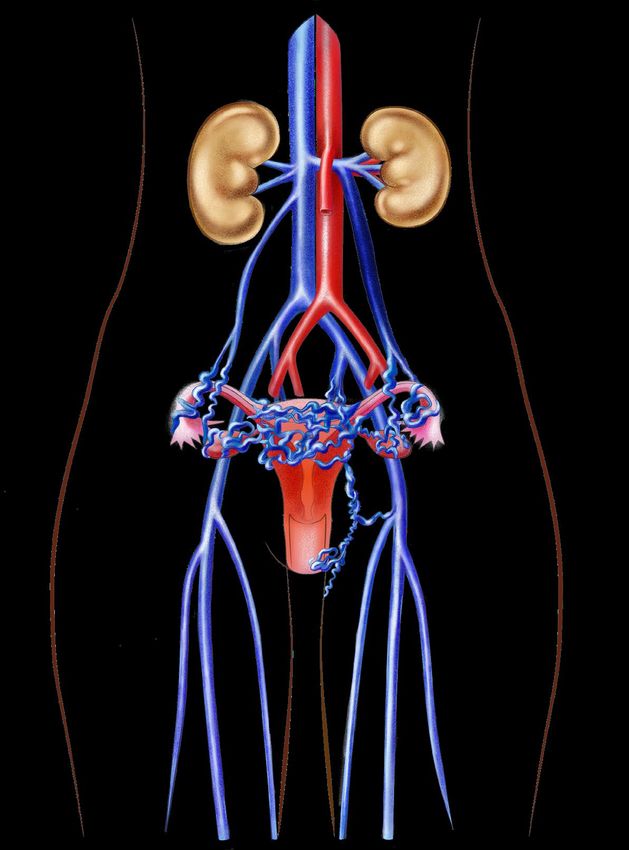
Modernes Management
       der tiefen Venenthrombose

Prof. Nils Kucher
Klinikdirektor

Klinik für Angiologie, Fortbildung IHAMZ / mediX, Zürich, 04.03.2021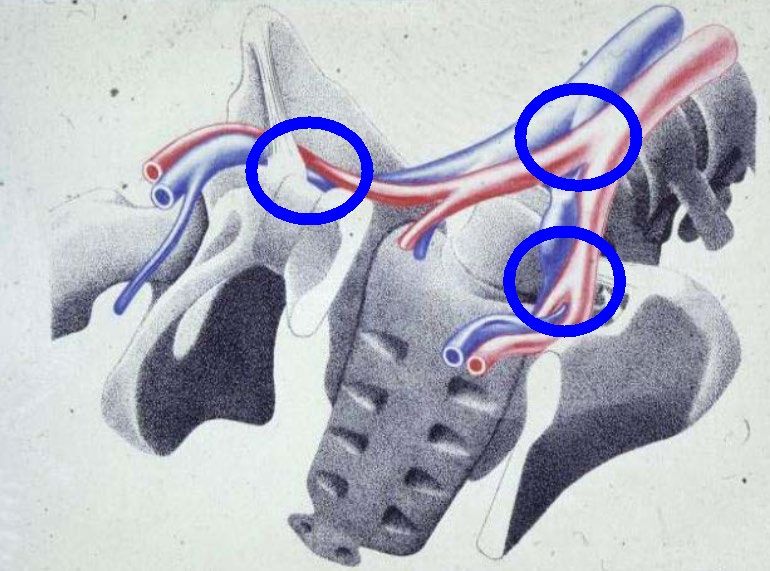
Themen Thrombose

•   Thrombose: Diagnostik, Therapie
•   DOACs: Fokus Dosis und Dauer
•   Perioperatives Management Antikoagulation
•   Thrombophilie Abklärung
•   Interventionelle Therapie Thrombose und PTS
•   Thrombophlebitis
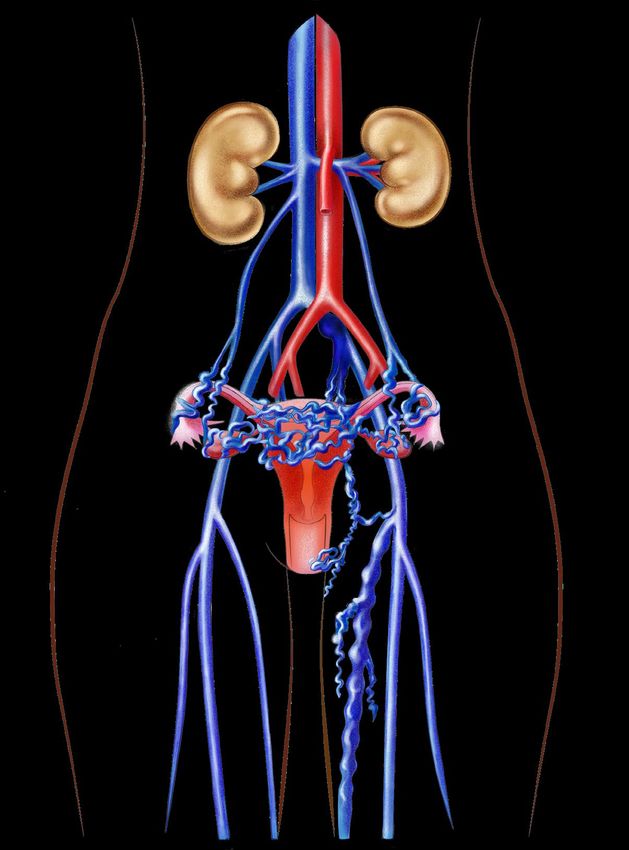
•   Pelvic Congestion Syndrom & Varikozele
•   COVID 19 und Thrombose

                                  Prof. Nils Kucher │ Vortrag_IHAMZ / mediX│ 04.03.2021   3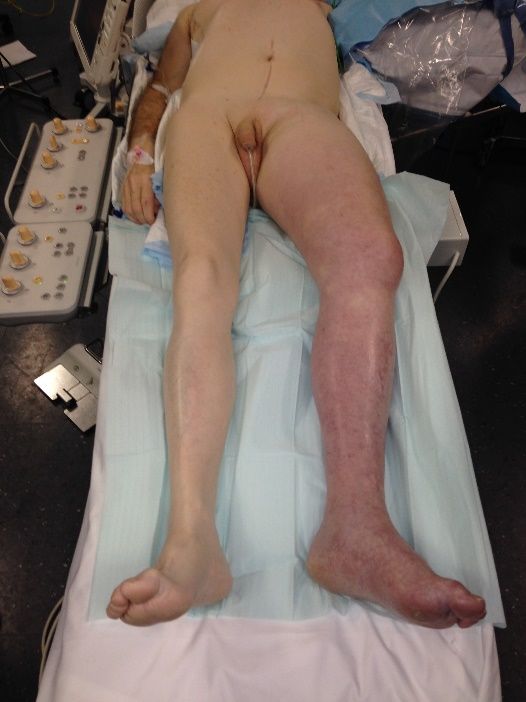
Venous Thromboembolism and Age

Heit JA. Nat Rev Cardiol 2015;12:464-74

                                          Prof. Nils Kucher │ Vortrag_IHAMZ / mediX│ 04.03.2021   4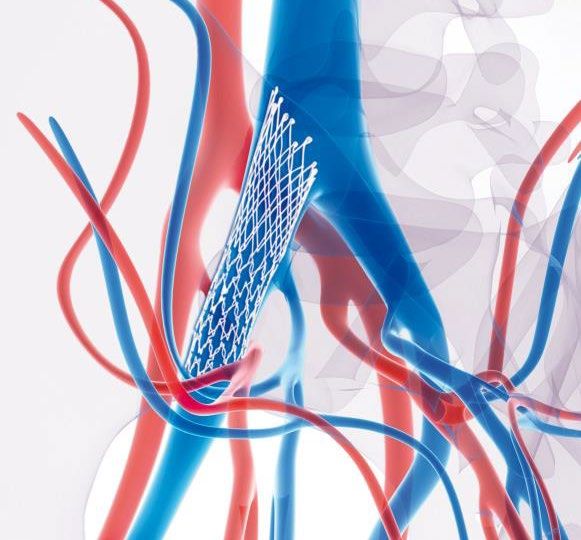
Venous Thromboembolism Epidemiology

• Inzidenz VTE: 1:1000
• Risiko steigt mit dem Alter
• Zwischen 45 und 80 Jahren verzehnfacht sich das Risiko
  im Vergleich zur Kindheit
• Dreiviertel aller tiefen Venenthrombosen verlaufen klinisch
  stumm
• Die Hälfte der unbehandelten proximalen
  Beinvenenthrombosen verursacht eine Lungenembolie
• Lungenembolie wird oft zu spät diagnostiziert. Unbehandelt
  beträgt die Mortalität 15 bis 30 %.

                                  Prof. Nils Kucher │ Vortrag_IHAMZ / mediX│ 04.03.2021   5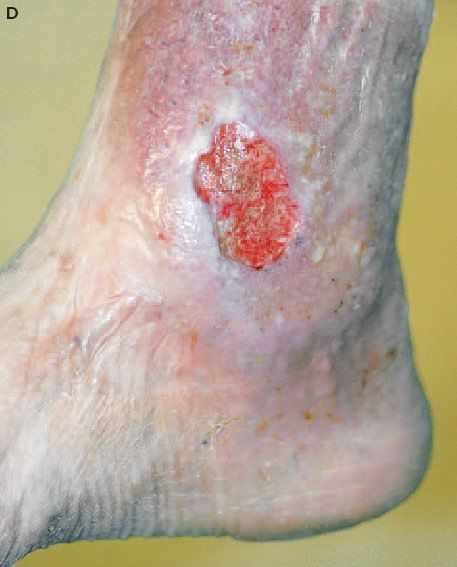
Komplikationen & Spätfolgen VTE

Phlegmasia coerulea dolens (selten)
 •   schwerer Verlauf mit Verschluss aller Venen
 •   arterielle Versorgung ist nicht mehr gewährleistet
 •   heftige Schmerzen
 •   Bedrohung für Extremität und Leben

Lungenembolie
 •   Okklusion der Pulmonalarterie durch einen
     losgelösten Thrombus im Rahmen einer TVT
 •   Unbehandelt verläuft jede dritte LE tödlich
 •   Zweidrittel mit tödlicher LE versterben innerhalb
     einer Stunde
 •   Durch adäquate Antikoagulation kann die Mortalität auf 2 bis 8 % reduziert
     werden.

                                              Prof. Nils Kucher │ Vortrag_IHAMZ / mediX│ 04.03.2021   6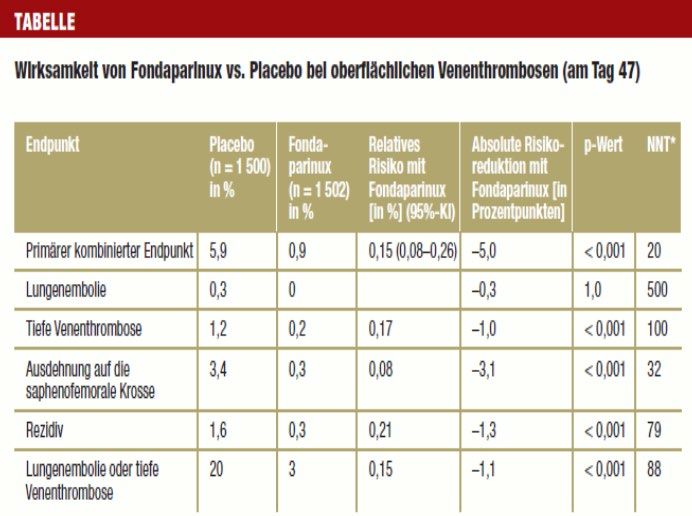
Komplikationen & Spätfolgen

Prädiktoren für Sterblichkeit nach LE:

• systolische Blutdruck < 90 mg Hg
  bei Diagnosestellung
• (30-Tage-Sterblichkeit > 15 %)
• Rechtherzdysfunktion
• erhöhte kardiale Biomarker
  (Tropoinin, natriuretische Peptide)

                                   Prof. Nils Kucher │ Vortrag_IHAMZ / mediX│ 04.03.2021   7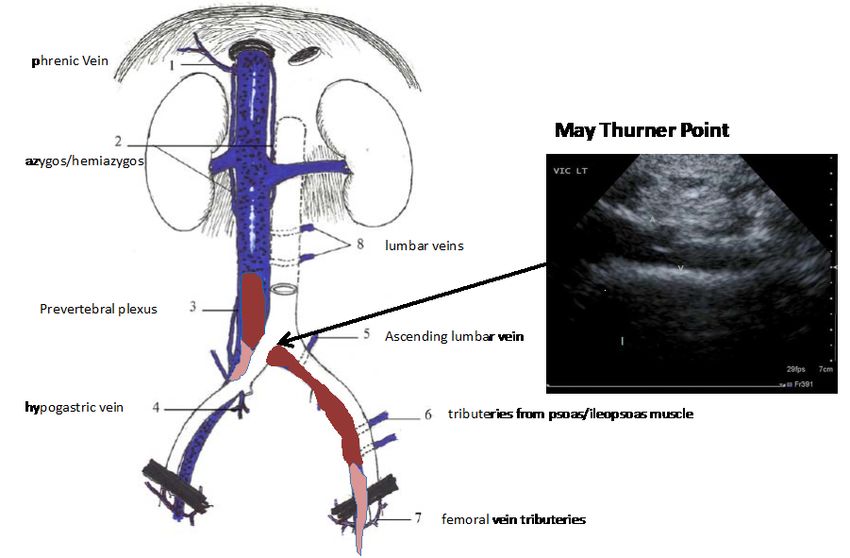
Komplikationen & Spätfolgen

Postthrombotisches Syndrom
• 50% der Patienten mit Bein-Beckenthrombose innerhalb von 5 Jahren
  (wenn konservativ behandelt)
• chronisch venöse Insuffizienz
    −   Ödem
    −   Ulkus cruris
    −   Induration der Haut
    −   Ekzemneigung
    −   chronische Schmerzen
• reduzierte Lebensqualität, Frühinvalidität
• hohe Folgekosten

                                          Prof. Nils Kucher │ Vortrag_IHAMZ / mediX│ 04.03.2021   8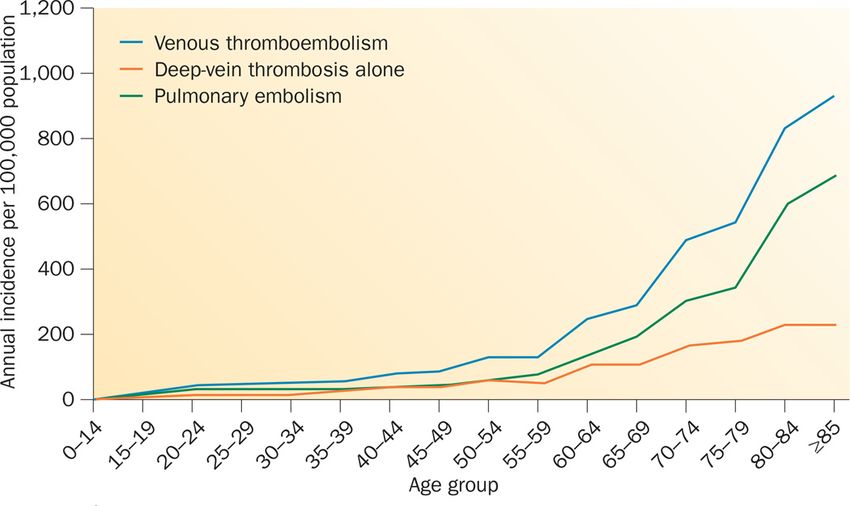
High Risk of Recurrent VTE After Discontinuing
 Anticoagulation

 • Anticoagulation effectively                                            Cumulative incidence of VTE
                                                                          recurrence over time
   resolves VTE, but                                              45
   stopping treatment                                             40
   increases the cumulative

                                        Cumulative incidence of
                                                                  35
   risk of VTE recurrence1

                                          recurrent VTE (%)
                                                                  30

 • The cumulative incidence                                       25

   of recurrent VTE is                                            20

   approximately 10% in the                                       15

   first year if anticoagulation                                  10

   is stopped1                                                    5
                                                                  0
                                                                         6     1              3          5        10
                                                                       months year          years      years     years
1. Prandoni P et al, Haematologica
2007;92:199–205; 2. Schulman S, J Int                                             Time since initial event
Med 2014;275:1–11

                                                                  Prof. Nils Kucher │ Vortrag_IHAMZ / mediX│ 04.03.2021   9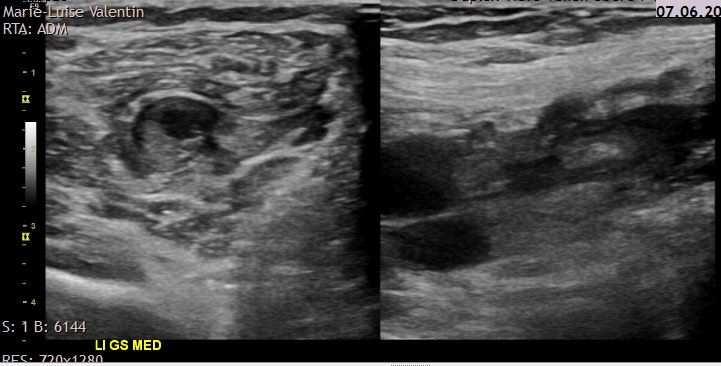
Impact of Clinical Risk Factors in VTE Recurrence
Cumulative proportions of recurrent thrombosis after cessation of anticoagulant
therapy* (N=558)
                            0.20
                                                                                       Unprovoked
 Cumulative proportion of

                            0.15
    recurrent events

                            0.10                                                       Provoked by
                                                                                       non-surgical
                                                                                       risk factors
                            0.05

                                                                                       Provoked by
                              0
                                                                                       surgery
                                   0   4        8      12     16     20           24
                                           Time since event (months)

*Patients with malignant disease and antiphospholipid syndrome were
excluded from the study
Baglin T et al, Lancet 2003;362:523–526

                                                                      Prof. Nils Kucher │ Vortrag_IHAMZ / mediX│ 04.03.2021   10
Risikofaktoren & Diagnostik
Vortestwahrscheinlichkeit
− Wells Score für TVT
− revidierter Geneva Score für LE
D-Dimer-Test
− Ergebnis < 500 µg/L (testabhängig): TVT sehr unwahrscheinlich
− Tiefe Wahrscheinlichkeit & negativer Test: keine VTE
− Tiefe Wahrscheinlichkeit & postiver Test: Bildgebung erforderlich
Bildgebung
− Duplex-Sonografie, Angio-CT, Phlebografie, Spiral-CT,
Echokardiografie, Lungenszintigrafie, DSA Pulmonalartieren, MR-
Angiografie, etc. je nach Situation
Prof. Nils Kucher │ Vortrag_IHAMZ / mediX│ 04.03.2021 11Vortestwahrscheinlichkeit für TVT: Wells-Score
Prof. Nils Kucher │ Vortrag_IHAMZ / mediX│ 04.03.2021 12Diagnose-Algorithmus
Prof. Nils Kucher │ Vortrag_IHAMZ / mediX│ 04.03.2021 13Thrombophilie
Thrombophilie-Screening durchführen bei:
• „Strongly thrombophilic“:
− VTE-Patienten unter 50 Jahren
− rezidivierende TVT
− positive Familienanamnese für TVT (erstgradiger Verwandter,
< 50 Jahren)
• „Weakly thrombophilic“:
− idiopathische TVT
− aussergewöhnliche Lokalisation
− positive Familienanamnese für Thrombophilie und SS-Wunsch
− rezidivierende Aborte (Antiphospholipid-AK-Syndrom)
Prof. Nils Kucher │ Vortrag_IHAMZ / mediX│ 04.03.2021 14Thrombophilie
Prof. Nils Kucher │ Vortrag_IHAMZ / mediX│ 04.03.2021 15Thrombophilie
Welche Test sollten durchgeführt werden?:
• „Strongly thrombophilic“:
− Faktor V Leiden Mutation (APC-Resistenz; 5 % Heterozygote)
− Prothrombin-(G20210A)-Mutation
− Protein S
− Protein C
− Antithrombin III
− Anti-Phospholipidantikörper
− (Faktor VIII)
• „Weakly thrombophilic“:
− Faktor V Leiden Mutation (APC-Resistenz)
− Prothrombin-(G20210A)-Mutation
− Anti-Phospholipidantikörper
Prof. Nils Kucher │ Vortrag_IHAMZ / mediX│ 04.03.2021 16Tiefe Venenthrombose
Initiale und Erhaltungstherapie mit DOACs
Wo: Wochen, T: Tage, NMH: niedermolekulares Heparin
1. The EINSTEIN Investigators, N Engl J Med 2010;363:2499–2510., 2. Agnelli et al. N Engl J Med. 2013;369:799-808., 3. Schulman S et al. N Engl J Med 2009;361:2342–2352
und Schulman et al. Circulation 2014;129:764–772., 4. Hokusai-VTE Investigators. N Engl J Med. 2013;369:1406-14150.
Prof. Nils Kucher │ Vortrag_IHAMZ / mediX│ 04.03.2021 17NOAC Studien in der VTE Therapie:
Ergebnisse
Recurrent VTE or
Major bleeding Major or CRNM bleeding
VTE-related death
P value for P value
non-inferiority P value
Apixaban RR 0.84 RR 0.31Balancing the Risk of Recurrent VTE Versus
Bleeding Is Critical for Deciding to Extend Treatment
Bleeding while
Patient’s
receiving
Recurrences preference1
anticoagulation
without
anticoagulation
• NOACs significantly reduced the risk of recurrent VTE by >80% with major bleeding
risk comparable to placebo in extended treatment of VTE2
• Attempts to reduce bleeding risk include lower dose anticoagulant therapy or ASA2,3
1. Haxaire C et al, PLoS One 2015;10:e0142070; 2. Weitz JI et al, Thromb Hemost 2015;114:645–650;
3. Weitz JI et al, N Engl J Med 2017:doi:10.1056/NEJMoa1700518
Prof. Nils Kucher │ Vortrag_IHAMZ / mediX│ 04.03.2021Deutsche Leitlinien: Dauer der OAK
* z. B. Antiphospholipid-Syndrom; **z.B. Heterozygote Faktor V oder heterozygote Prothrombinmutation
Dt. Gesellschaft für Angiologie: AWMF Interdisziplinäre S2k-Leitlinie 065-002 vom 1.9.2015
Prof. Nils Kucher │ Vortrag_IHAMZ / mediX│ 04.03.2021 20AMPLIFY-EXT:
Apixaban 2.5 mg BID and 5 mg BID* waren im Vergleich zu Placebo
in der Prävention des VTE Rezidivs und der Mortalität überlegen
>60% RRR for both doses
PAMPLIFY-EXT:
Apixaban 2.5 mg BID and 5 mg BID* hatten vergleichbare Raten an
schweren Blutungen im Vergleich zu Placebo
2.5 Major bleeding
Patients with events (%)
2.0
RR 0.49 0.25
1.5 (95% CI) (0.09–2.64) (0.03–2.24)
P values not
1.0 reported
0.5%
0.5 0.2% 0.1%
2/840
1/813 4/829
0.0
Apixaban Apixaban
Placebo
2.5 mg BID 5 mg BID*
* Only the 2.5 mg dose, taken twice-daily, is approved for the prevention of recurrent DVT/PE in the EU
Agnelli et al. N Engl J Med 2013;368:699-708
CI, confidence interval; RR, relative risk
Prof. Nils Kucher │ Vortrag_IHAMZ / mediX│04.03.2021Both Rivaroxaban Doses Provided Superior
Reduction in Recurrent VTE Rates Compared with
ASA 5
ASA 100 mg od
4
Cumulative incidence (%)
Rivaroxaban 20 mg od vs ASA
17/1107 (1.5%) vs 50/1131 (4.4%)
HR=0.34 (95% CI 0.20–0.59), pRates of Major Bleeding Under Rivaroxaban Were
≤0.5% and Similar to ASA
5
Rivaroxaban 20 mg od vs ASA
4 6/1107 (0.5%) vs 3/1131 (0.3%)
Cumulative incidence (%)
HR=2.01 (95% CI 0.50–8.04),
p=0.32
3
Rivaroxaban 10 mg od vs ASA
5/1127 (0.4%) vs 3/1131 (0.3%)
HR=1.64 (95% CI 0.39–6.84),
p=0.50
2
1 Rivaroxaban 20 mg od
Rivaroxaban 10 mg od
ASA 100 mg od
0
1 30 60 90 120 150 180 210 240 270 300 330 360
Days
Number of patients at risk
Rivaroxaban 20 mg od 1107 1081 1063 1048 1036 1024 963 818 801 780 712 642 449
Rivaroxaban 10 mg od 1126 1103 1080 1070 1058 1046 988 823 812 790 733 653 469
ASA 100 mg od 1131 1096 1075 1058 1040 1023 970 800 791 768 709 645 445
SafetWeitz JI et al, N Engl J Med 2017:doi:10.1056/NEJMoa1700518
y analysis. No events after Day 360 up to Day 480Duration of anticoagulation therapy for VTE
Table 2 Main new recommendations 2019 (ESC)
Chronic treatment and prevention of recurrence in patients without cancer
Indefinite treatment with a VKA is recommended in patients with the antiphospholipid antibody
I
syndrome.
Extended anticoagulation should be considered for patients with no identifiable risk factor for the
IIa
index PE event.
Extended anticoagulation should be considered in patients with a persistent risk factor other
IIa
than the antiphospholipid antibody syndrome.
Extended anticoagulation should be considered for patients with a minor transient/reversible risk
IIa
factor for the index PE event.
©ESC
Reduced dose of apixaban or rivaroxaban should be considered after the first 6 months. IIa
Prof. Nils Kucher │ Vortrag_IHAMZ / mediX│ 04.03.2021Vitamin-K-Antagonisten und NOACs
XII XIIa
XIa XI
Rivaroxaban
Apixaban IXa IX
Edoxaban
TF
VIIa
Xa X VII
XIa
VIIIa
IXa
Dabigatran Etexilat Thrombin Prothrombin
LA / LAA
Fibrin Fibrinogen
Vitamin-K-
Antagonisten 26
Steffel & Braunwald, European Heart Journal 2011 Prof. Nils Kucher │ Vortrag_IHAMZ / mediX│ 04.03.2021DOACs Interaktionen EHRA. Europace 2013;15:625-51.
Via Dabigatran Apixaban Edoxaban Rivaroxaban
Atorvastatin P-gp competition and CYP3A4 +18% No data yet No effect No effect
inhibition
Digoxin P-gp competition No effect No data yet No effect No effect
Verapamil P-gp competition (and weak +12–180% (reduce No data yet +53% (SR) Minor effect (use with
CYP3A4 inhibition) dose and take (reduce dose by caution if CrCl 15–50
simultaneously) 50%)a ml/min)
Diltiazem P-gp competition and weak No effect +40% No data yet Minor effect (use with
CYP3A4 inhibition caution if CrCl 15–50
ml/min)
Quinidine P-gp competition +50% No data yet +80% (reduce dose +50%
by 50%)b
Amiodarone P-gp competition +12–60% No data yet No effect Minor effect (use with
caution if CrCl 15–50
ml/min)
Dronedarone P-gp and CYP3A4 inhibitor +70–100% No data yet +85% (reduce dose No data yet
(US: 2x75mg) by 50%)a
Ketoconazole; itraconazole, P-gp and BCRP competition; +140–150% +100% No data yet Up to +160%
voriconazole; posaconazole CYP3A4 inhibition (US: 2x 75 mg)
Fluconazole Moderate CYP3A4 inhibition No data yet No data yet No data yet +42% (if systemically
administered)
Cyclosporin; tacrolimus P-gp competition No data yet No data yet No data yet +50%
Clarithromycin; erythromycin P-gp competition and CYP3A4 +15–20% No data yet No data yet +30–54%
inhibition
HIV protease inhibitors (e.g. P-gp and BCRP competition or No data yet Strong increase No data yet Up to +153%
ritonavir) inducer; CYP3A4 inhibition
Rifampicin; St John’s wort; P-gp/BCRP and –66% –54% –35% Up to –50%
carbamazepin; phenytoin; CYP3A4/CYP2J2 inducers
phenobarbital
Antacids (H2B; PPI; Al-Mg- GI absorption -12–30% No data yet No effect No effect 27
hydroxide)Perioperatives Management mit DOACs
Letzte Dosis vor OP:
Dabigatran Apixaban Edoxaban Rivaroxaban
No important bleeding risk and/or adequate local hemostasis possible:
perform at trough level (i.e. ≥ 12 or 24 h after last intake)
Creatinin Low High Low High Low High Low High
clearance risk risk risk risk risk risk risk risk
≥ 80 ml/min ≥ 24h ≥ 48h ≥ 24h ≥ 48h ≥ 24h ≥ 48h ≥ 24h ≥ 48h
50–80 ml/min ≥ 36h ≥ 72h ≥ 24h ≥ 48h ≥ 24h ≥ 48h ≥ 24h ≥ 48h
30–50 ml/min ≥ 48h ≥ 96h ≥ 24h ≥ 48h ≥ 24h ≥ 48h ≥ 24h ≥ 48h
15–30 ml/min n.i. n.i. ≥ 36h ≥ 48h ≥ 36h ≥ 48h ≥ 36h ≥ 48hProf. Nils Kucher │ Vortrag_IHAMZ / mediX│ 04.03.2021 29
Korrektur einer entgleisten INR

• INR 4.0 - 5.0 (keine Blutung)
    − 1 mg Vitamin K p.o., VKA-Dosis reduzieren oder aussetzen,
      häufigere INR-Kontrollen

• INR 5.0 - 9.0 (keine Blutung)
    − VKA-Stopp, 2-3 mg Vitamin K per os, täglich INR

• INR > 9.0 (keine oder leichte Blutung)
    − VKA-Stopp, 5 mg Vitamin K p.o. resp. i.v., täglich INR

• INR > 5 mit Blutung
    − VKA-Stopp; Hospitalisation, 10mg Vitamin K i.v. allenfalls
      repetitiv; evtl. FFP oder Prothromplex-Konzentrat, allenfalls
      Fibrinolysehemmer gemäss individueller Risikoabschätzung.

                                        Prof. Nils Kucher │ Vortrag_IHAMZ / mediX│ 04.03.2021   30
Perinterventionelles Management /Bridging (I)
Vorgehen bei Patienten mit VKA vor Operationen:
• Stopp VKA 5 Tage präoperativ
• Wenn INR 1-2 Tage präoperativ immer noch über 1,5: 1 bis
2 mg Vitamin K per os.
• Wiederaufnahme der VKA 12 bis 24 Stunden postoperativ
(je nach Blutungsrisiko)
Prof. Nils Kucher │ Vortrag_IHAMZ / mediX│ 04.03.2021 31Perinterventionelles Management /Bridging (II)
Bridging mit LMWH/UFH bei Patienten mit mechanischen
Herzklappen, Vorhofflimmern oder VTE:
• Patienten mit mittlerem bis hohen Risiko für VTE
− therapeutische Dosen LMWH/UFH
− letzte Dosis LMWH 24 h vor der OP
− letzte Dosis UFH 4 h vor OP
− letzte Dosis 50% der totalen Tagesdosis
− Fortsetzung LMWH/UFH 12 bis 24 Stunden nach der
OP, je nach schwere des Eingriffes und
Blutungsrisiko
− Parallel dazu Wiederaufnahme der VKA
Prof. Nils Kucher │ Vortrag_IHAMZ / mediX│ 04.03.2021 32Perinterventionelles Management /Bridging (III)
Bridging mit LMWH/UFH bei Patienten mit mechanischen
Herzklappen, Vorhofflimmern oder VTE:
• Patienten mit tiefem Risiko für VTE:
− tiefe Dosen LMWH oder kein Bridging
− bei Operationen mit hohem VTE-Risiko: Start
therapeutische Dosen LMWH/UFH 12 bis 24 Stunden
nach der OP
− Wiederaufnahme der VKA 12 bis 24 Stunden
postoperativ (je nach Blutungsrisiko)
Prof. Nils Kucher │ Vortrag_IHAMZ / mediX│ 04.03.2021 33Interventionelle Therapie der Thrombose
Ascending femoropopliteal DVT Descending iliofemoral DVT
Compression
& old clot
Fresh clot
Fresh clot
Old clot
Keine Kathetertherapie Kathetertherapie
Copyright nilskucher.com
(Thrombektomie, Lyse, Stent)
Prof. Nils Kucher │ Vortrag_IHAMZ / mediX│ 04.03.2021 34Iliofemoral DVT: Underlying Venous Stenosis
Prof. Nils Kucher │ Vortrag_IHAMZ / mediX│ 04.03.2021 35Conservative Management of Iliofemoral DVT
• In less than 50%, venous patency is achieved with
anticoagulation therapy alone
• Up to 30% suffer recurrent DVT after stopped
anticoagulation thereapy
• More than 50% suffer the post-thrombotic
syndrome (PTS)
• 15% develop venous ulcers
Akesson H, J Vasc Surg 1990
Prof. Nils Kucher │ Vortrag_IHAMZ / mediX│ 04.03.2021 36May Thurner Syndrome: oblique hybrid stents
Preserved contralateral iliac vein inflow
Prof. Nils Kucher │ Vortrag_IHAMZ / mediX│ 04.03.2021 37DVT Response Team Angiology University Hospital Zurich
Non-Massive DVT Massive DVT
Definition: no or minor swelling, Definition: moderate or severe swelling
No or minor decrease in mobility and decrease in mobility
Diagnosis: Duplex Angiology 24/7: 076 563 3444
Diagnosis: Duplex Angiology (< 90 min)
No Revascularisation: Outpatient therapy ± CT Abdomen
Catheter therapy vs.
Conversative managementEndovascular Therapy of the Postthrombotic
Syndrome:
Clinical & Anatomical Criteria
• Presence of the post-thrombotic syndrome
− Quality-of-life limiting venous claudication and other
symptoms of venous hypertension, or
− Skin changes (Varicosis, Hyperpigmentation,
Lipodermatosclerosis), or
− Ulcers
− Pelvic congestion syndrome or varicocele
• Occlusion of common femoral vein, or iliac vein, or inferior
vena cava
Prof. Nils Kucher │ Vortrag_IHAMZ / mediX│ 04.03.2021 39Initial bei frischer TVT / nach OP:
Kompressionsverband
Prof. Nils Kucher │ Vortrag_IHAMZ / mediX│ 04.03.2021 40Take Home DVT
• VTE is frequent and increases with age.
• VTE often is not a single event, 10% suffer from a recurrent
event at 12 months, 30% at 10 years.
• Unprovoked VTE is associated with the greatest risk of
recurrence
• DOACs are the preferred treatment modality for the initial,
long-term, and extended phase of anticoagulation therapy
• The risk of the postthrombotic syndrome after an episode
of iliofemoral DVT managed conservatively is 50%-please
send to hospital for evaluation of catheter treatment
Prof. Nils Kucher │ Vortrag_IHAMZ / mediX│ 04.03.2021 41Management der oberflächlichen
Venenthrombose
OVT
Prof. Nils Kucher
Klinikdirektor
Klinik für Angiologie, Fortbildung IHAMZ / mediX, Zürich, 04.03.2021Epidemiologie
• Inzidenz auf ca. 125000 Neuerkrankungen pro Jahr (USA)
• Basler Studie 6% der Männer und bei 14% der Frauen mit
Hinweisen auf eine akute oder durchgemachte Phlebitis
Epidemiologie der Thrombophlebitis. DMW
1914;22:122–3. Epidemiologie der Thrombophlebitis. DMW
1914;22:122–3.
Prof. Nils Kucher │ Vortrag_IHAMZ / mediX│ 04.03.2021 43Differentialdiagnose
• Variköse Vene Varikophlebitis; rund 62% der
Phlebitiden treten in einer
varikös veränderten Vene auf
• Fluktuation, Abszess, Septische Phlebitis,
Lymphadenitis i.v. Drogen
• Phlebitis + Allgemeinsymptome Infekt, syst. Vasculitis,
CMV, M. Behcet, Sarkoidose
• Phlebitis in nichtvariköser Vene iatrogen, häufigste: bei
länger liegenden
Venenverweilkathetern,
Tumor,
Gerinnungsstörung, M.
Bürger
Prof. Nils Kucher │ Vortrag_IHAMZ / mediX│ 04.03.2021 44Klinik
Schwellung
Verhärtung
Schmerzen
Überwärmung
Rötung
In schweren Fällen erysipelartig
Prof. Nils Kucher │ Vortrag_IHAMZ / mediX│ 04.03.2021 45Klinik
Prof. Nils Kucher │ Vortrag_IHAMZ / mediX│ 04.03.2021 46Klinische Diagnose oder weitere Abklärung sinnvoll ?
Bei ausgedehnten oberflächlichen Thrombosen liegen nach
der POST-Studie in bis zu 30% der Fälle asymptomatische
tiefe Thrombosen und in bis zu 4% Lungenembolien vor.
[Decousus et al. 2010].
Prävalenz einer gleichzeitigen tiefen Beinvenenthrombose
18,1 %, Lungenembolie auf 6,9 %
Di Minno MN, Ambrosino P, Ambrosini F, et al. Prevalence of deep vein thrombosis and pulmonary embolism in patients with superficial vein
thrombosis: a systematic review and meta-analysis. J Thromb Haemost 2016;14:964–72.
Prof. Nils Kucher │ Vortrag_IHAMZ / mediX│ 04.03.2021 47Klinische Diagnose oder weitere Abklärungen
sinnvoll ? Nicht variköse Venen
76,0% Thrombophilie
65% heterozygote Faktor-V-Leiden-Mutation
15% Protein-C-Mangel
10% Protein-S-Mangel
10% Hyperhomozysteinämie
5% Antiphospholipidantikörper
5,4% Tumorleiden im Gesamtkollektiv
12,3% TVT zum Zeitpunkt der Primärdiagnose
Lucchi et al., Phlebology 2018; 33: 278-281
Prof. Nils Kucher │ Vortrag_IHAMZ / mediX│ 04.03.2021 48Klinische Diagnose oder weitere Abklärung sinnvoll
- Sonographie?
Ausdehnung ?
Mitbeteiligung des tiefen Venensystems ?
Auswirkung des sonographischen Befundes auf die Therapie
Prof. Nils Kucher │ Vortrag_IHAMZ / mediX│ 04.03.2021 49Therapie der OVT
Ziel:
• lokale Schmerzen lindern oder beseitigen
• Thromboembolische Komplikationen vermeiden
Prof. Nils Kucher │ Vortrag_IHAMZ / mediX│ 04.03.2021 503000 Pat (randomisierte
doppelblinde, Multicenter
Studie)
Fondaparinux 2.5 mg oder
Plazebo für 45 d
Kombinierter Endpunkt: Tod,
Symptomatische LE oder TVT,
symptomatische Ausdehnung
der OTP oder Rezidiv
0.9 % versus 5.9 %
Prof. Nils Kucher │ Vortrag_IHAMZ / mediX│ 04.03.2021 51Interdisziplinäre S2-Leitlinie/AWMF 2015
• Bei einer Thrombophlebitis des Beins soll die Indikation zu
einer Antikoagulation geprüft werden
• Bei transfaszialem Thrombuswachstum soll wie bei einer
Venenthrombose vorgegangen werden
• Antikoagulation wenn VSM/VSP oder Äste > 5cm
(CALISTO, STEFLUX)
• Behandlung wie TVT, falls < 3 cm bis zur Crosse
Vasa 45/Supplement90/Feb 2016
Prof. Nils Kucher │ Vortrag_IHAMZ / mediX│ 04.03.2021 52Lokaltherapie bei OVT
• Bei oberflächlichen Venenthrombosen in kleinkalibrigen
Astvarizen werden zur Linderung der Beschwerden
Kühlung, Kompressionstherapie und nicht-steroidale
Antiphlogistika nach Bedarf eingesetzt.
• Eine Stichinzision mit Thrombusexpression kann zur
rascheren Schmerzfreiheit führen.
Prof. Nils Kucher │ Vortrag_IHAMZ / mediX│ 04.03.2021 53Effekte der Lokaltherapie bei OVT
• Heparin Gel: Signifikante Reduktion der Schmerzen und
des Erythems gegenüber Placebo
• Diclofenac Gel: Reduktion der lokalen Symptome besser
als Placebo und als Heparin Gel
Di Nisio et al., Cochrane Database Syst Rev. 2018; 25: 2
Prof. Nils Kucher │ Vortrag_IHAMZ / mediX│ 04.03.2021 54Effekte der Lokaltherapie bei OVT (Varikophlebitis)
• Sanierung im Verlauf sollte angestrebt werden, da erhöhte
Rezidivrate
• Die Komplikationsrate bei zunächst konservativer Therapie
und nachfolgender Sanierung im beschwerdefreien
Intervall erwies sich als geringer im Vergleich zur
sofortigen Behandlung.
[Sullivan et al. 2001]
AMMF Leitlinie 10 Okt 2015
Prof. Nils Kucher │ Vortrag_IHAMZ / mediX│ 04.03.2021 55Wann bildgebende Untersuchungen bei
Oberflächenthrombose OVT?
De Almeida MJ et al. J Vasc Bras. 2019 epub
• Sonographie des Beins:
− Immer – wegen hoher Inzidenz tiefer
Beinvenenthrombose bei OVT
• Lungenembolie-Diagnostik:
− Bei klinischem Verdacht auf Lungenembolie
• Durchuntersuchung auf maligne Grunderkrankung:
− OVT ohne Assoziation zu Varikose
− Sehr ausgedehnte OVT7
− Rezidivierender oder idiopathische OVT
Prof. Nils Kucher │ Vortrag_IHAMZ / mediX│ 04.03.2021 56Wann Thrombophilie bei Oberflächenthrombose
abklären?
De Almeida MJ et al. J Vasc Bras. 2019 epub
• Nicht erklärbare Oberflächenthrombose in nichtvarikösen
Venen nach Ausschluss einer malignen Grunderkrankung.
• Thrombusprogression trotz adäquater Antikoagulation
• Oberflächenthrombose bei Menschen unter 45 Jahren
• Rezidivierende tiefe Thrombose oder
Oberflächenthrombosen
• Patienten mit einer eindeutigen Familienanamnese tiefer
Beinvenenthrombosen
Prof. Nils Kucher │ Vortrag_IHAMZ / mediX│ 04.03.2021 57Fazit für Klinik und Praxis
• Keine harmlose Erkrankung
• Mitbeteiligung des tiefen Venensystemes häufig
• Weiterführende Abklärungen bei OVT in nicht-varikösen
Venen: Red Flag!
• Sonographie sinnvoll und gefordert; Diagnosesicherung,
Ausdehnung, Therapiekonsequenz
Prof. Nils Kucher │ Vortrag_IHAMZ / mediX│ 04.03.2021 58Fazit für Klinik und Praxis
Aktuelle Leitlinie:
• (Kleine) Astvarizen: keine Antikoagulation
• Saphenavenen und große Astvarizen: Fondaparinux in
Prophylaxedosierung über 30-45 Tage
• Bei < 3 cm Abstand zur Crosse: therapeutische
Antikoagulation
Kompressionstherapie und lokal symptomatische Massnahmen
sinnvoll
Prof. Nils Kucher │ Vortrag_IHAMZ / mediX│ 04.03.2021 59Pelvic Congestion Syndrom und
Varikozele:
Diagnose oft jahrelang verschleppt
Prof. Nils Kucher
Klinikdirektor
Klinik für Angiologie, Fortbildung IHAMZ / mediX, Zürich, 04.03.2021Pelvic Congestion Syndrom & Varikozele
Definition & Aetiologie
• Beckenvenenstauungssyndrom mit proximalem
Veneninsuffizienzpunkt im Abdomen/Becken mit Nachweis
von refluxiven Venen
• Gelegentlich ist eine Obstruktion im tiefen Venensystem
der Auslöser der Erkrankung, z.B. May Thurner Syndrom,
Nutcracker Syndrom, Obstruktion der Vena cava inferior
Prof. Nils Kucher │ Vortrag_IHAMZ / mediX│ 04.03.2021 612 Hauptformen PCS & Varikozele
Typ Gonadalvene Typ innere Beckenvene
Nutcracker
Anatomie/Syndrom
May - Thurner
5-10% Syndrom
70-80%
Rechte Gonadalvene
Linke Gonadalvene
30-40%
Vena iliaca interna 30-40%
Äste rechts Vena iliaca interna
Äste links
Prof. Nils Kucher │ Vortrag_IHAMZ / mediX│ 04.03.2021 62
21Pelvic Congestion Syndrom
Klinik
• Meist Multipara, gebährfähig
• Unterbauchschmerzen, oft orthostase-abhängig, oft verstärkt
perimenstruell, aggraviert nach Schwangerschaften
• Mögliche Begleitsymptome:
− Dyspareunie
− Miktionsstörungen, Harndrang
− Obstipation, Meteorismus
− Hämorrhoidalleiden, Enddarmbeschwerden
− Rückenschmerzen, Hüftschmerzen, Leistenschmerzen,
Flankenschmerzen
− Atypische Varikose Oberschenkel mit CVI
− Depression
Prof. Nils Kucher │ Vortrag_IHAMZ / mediX│ 04.03.2021 63Varikozele
Klinik
• Schmerzen im Hoden, Unfruchtbarkeit, Hodenatrophie
• Mögliche Begleitsymptome:
− Schmerzen Unterbauch
− Schmerzen Leiste und Oberschenkel durch
Beinvarikosis (venöse Claudicatio)
− Miktionsstörungen
− Obstipation
− Hämorrhoiden
Prof. Nils Kucher │ Vortrag_IHAMZ / mediX│ 04.03.2021 64Inzidenz PCS
• Inzidenz: 31% bei chronischen Unterbauchschmerzen
• Nach Endometriose ist PCS die zweithäufigste Ursache
von Unterbauchbeschwerden
Hum Reprod. 2001 May; 16(5):931-9.
Prof. Nils Kucher │ Vortrag_IHAMZ / mediX│ 04.03.2021 65Inzidenz Varikozele
• 15% der gesunden Männer
• Häufigste (35%) korrigierbare Ätiologie bei erwachsenen
Männern mit primärer Infertilität
• Inzidenz bis 50% bei Männern mit sekundärer Infertilität
• Meist linksbetont
• In 50% beidseits (li > re)
• Häufig vererbt
Urology. 1998 Aug; 52(2):294-300.
Prof. Nils Kucher │ Vortrag_IHAMZ / mediX│ 04.03.2021 66Wahrscheinlichkeit für Pelvic Congestion Syndrom
PCS Score* nach Prof. Nils Kucher
Prof. Nils Kucher │ Vortrag_IHAMZ / mediX│ 04.03.2021 67Prof. Nils Kucher │ Vortrag_IHAMZ / mediX│ 04.03.2021 68
COVID-19 and venous
        thromboembolism
Prof. Nils Kucher
Klinikdirektor

Klinik für Angiologie, Fortbildung IHAMZ / mediX, Zürich, 04.03.2021
COVID-19
• Wide clinical spectrum of severity
• Systemic inflammatory response
• Endothelial damage, coagulation
activation
• High risk of venous
thromboembolism
Valerio L, Thromb Haemost 2021; Levi M, Lancet Haematol 2020
Manson JJ, Lancet Rheumatol 2020; Roncon L, Eur J Intern Med 2020
Prof. Nils Kucher │ Vortrag_IHAMZ / mediX│ 04.03.2021 70COVID-19 &VTE
Prof. Nils Kucher │ Vortrag_IHAMZ / mediX│ 04.03.2021 71COVID-19 and haemostatic abnormalities
• D-dimer as a surrogate parameter of systemic
inflammation and coagulation activation
• Predictor of poor outcome
• D-dimer levels correlate with troponin, IL-2, LDH
D-dimer (ng/mL) Days 1-3 Days 4-6 Days 7-9
Non-survivors 869 (479-2103) 943 (611-2618) 1494 (633-6320)
Survivors 353 (236-585) 389 (246-685) 529 (303-1138)
N=388 (Milan)
Zhou et al., Lancet, 2020
Lodigiani, […] Barco, Thromb Res, 2020
N=191 (Wuhan) Prof. Nils Kucher │ Vortrag_IHAMZ / mediX│ 04.03.2021 72COVID-19 and VTE
• Non-ICU patients 8%
• ICU patients 23%
• 1 of 3 angio-CT positive for PE underdiagnosis
• 0.5-3% VTE risk after discharge
• 50% of VTE events diagnosed upon hospital admission
Lodigiani C, Thromb Res 2020; Levi M, Lancet Haematol 2020
Klok FA, Thromb Res 2020; Planquette, Thromb Res 2021;
Roncon L, Eur J Intern Med 2020; Rashidi F, Thromb Res 2021
Nopp S, RPTH 2020
Prof. Nils Kucher │ Vortrag_IHAMZ / mediX│ 04.03.2021 73Gaps of knowledge
• High- vs. standard-dose thromboprophylaxis in hospital
• Extended thromboprophylaxis (after discharge)
• Primary outpatient thromboprophylaxis
Prof. Nils Kucher │ Vortrag_IHAMZ / mediX│ 04.03.2021 74Guidelines and Swiss Label COVID 19
• Thromboprophylaxis is currently recommended only in
hospitalized patients
• Unclear benefit after discharge
• Thromboprophylaxis not routinely recommended in
ambulatory patients with acute medical illnesses (no data),
who represent the vast majority of COVID-19 patients
• Overall, no studies on COVID-19 ambulatory patients
ACCP guidelines
ASH guidelines
Prof. Nils Kucher │ Vortrag_IHAMZ / mediX│ 04.03.2021 75High- vs. standard-dose thromboprophylaxis (ICU)
• Multiple-platform, randomized controlled REMAP-CAP,
ACTIV-4, ATTACC prematurely stopped for futility/safety
“Therapeutic anticoagulation drugs did not improve
outcomes”
• No evidence supporting deviations from standard regimens
https://news.umanitoba.ca/international-trials-of-
blood-thinners-in-critically-ill-covid-19-patients-
pause-due-to-futility/
Prof. Nils Kucher │ Vortrag_IHAMZ / mediX│ 04.03.2021 76OVID phase III RCT
The OVID study will show whether a 14-day enoxaparin
prophylaxis improves survival and reduces hospitalizations.
• >50 years and SARS-CoV2+ 37.5° C
• No contraindications to anticoagulation
• No other indications for an anticoagulant treatment
NCT02996305
Barco S, Trials 2020
Prof. Nils Kucher │ Vortrag_IHAMZ / mediX│ 04.03.2021 77OVID phase III RCT
NCT02996305
Barco S, Trials 2020
Prof. Nils Kucher │ Vortrag_IHAMZ / mediX│ 04.03.2021 78OVID phase III RCT: status
• 6 active sites in Switzerland
• Approval in Germany and Italy pending
• Interim analysis (n=500) in ca. 3 months
• Very low overall event rates
NCT02996305
Barco S, Trials 2020
Prof. Nils Kucher │ Vortrag_IHAMZ / mediX│ 04.03.2021 79Vielen Dank für Ihre
Aufmerksamkeit
Prof. Nils Kucher │ Vortrag_IHAMZ / mediX│ 04.03.2021 80Sie können auch lesen


